This post may contain affiliate links. Please see my disclosure policy for details.
Wood Tones for Traditional Kitchen Cabinets: A Comprehensive Guide to Timeless Elegance
Contents
- Wood Tones for Traditional Kitchen Cabinets: A Comprehensive Guide to Timeless Elegance
- Why Wood Tone Matters in Traditional Kitchen Design
- The Top Wood Tones for Traditional Kitchen Cabinets
- Pro Styling Tips for Traditional Wood Cabinets
- Mixing Wood Tones: A Designer’s Secret
- Choosing Your Perfect Wood Tone: Quick Reference
- Final Thoughts
Are you dreaming of a kitchen that whispers classic charm and timeless beauty? The secret lies in choosing the right wood tones for your traditional kitchen cabinets.
Traditional kitchens are all about warmth, character, and a connection to classic design. Your choice of wood can transform a simple space into a stunning culinary haven that feels both elegant and inviting.
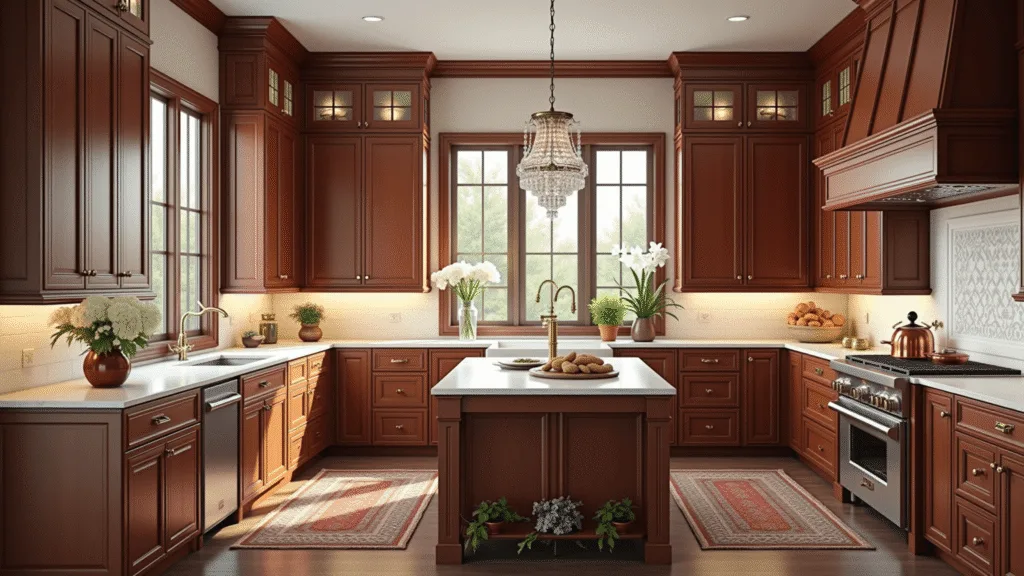
Why Wood Tone Matters in Traditional Kitchen Design
Wood tones are the heart and soul of traditional kitchen cabinetry. They bring:
- Warmth and authenticity
- Natural grain patterns
- Rich, depth-filled colors
- A sense of timeless elegance
The Top Wood Tones for Traditional Kitchen Cabinets
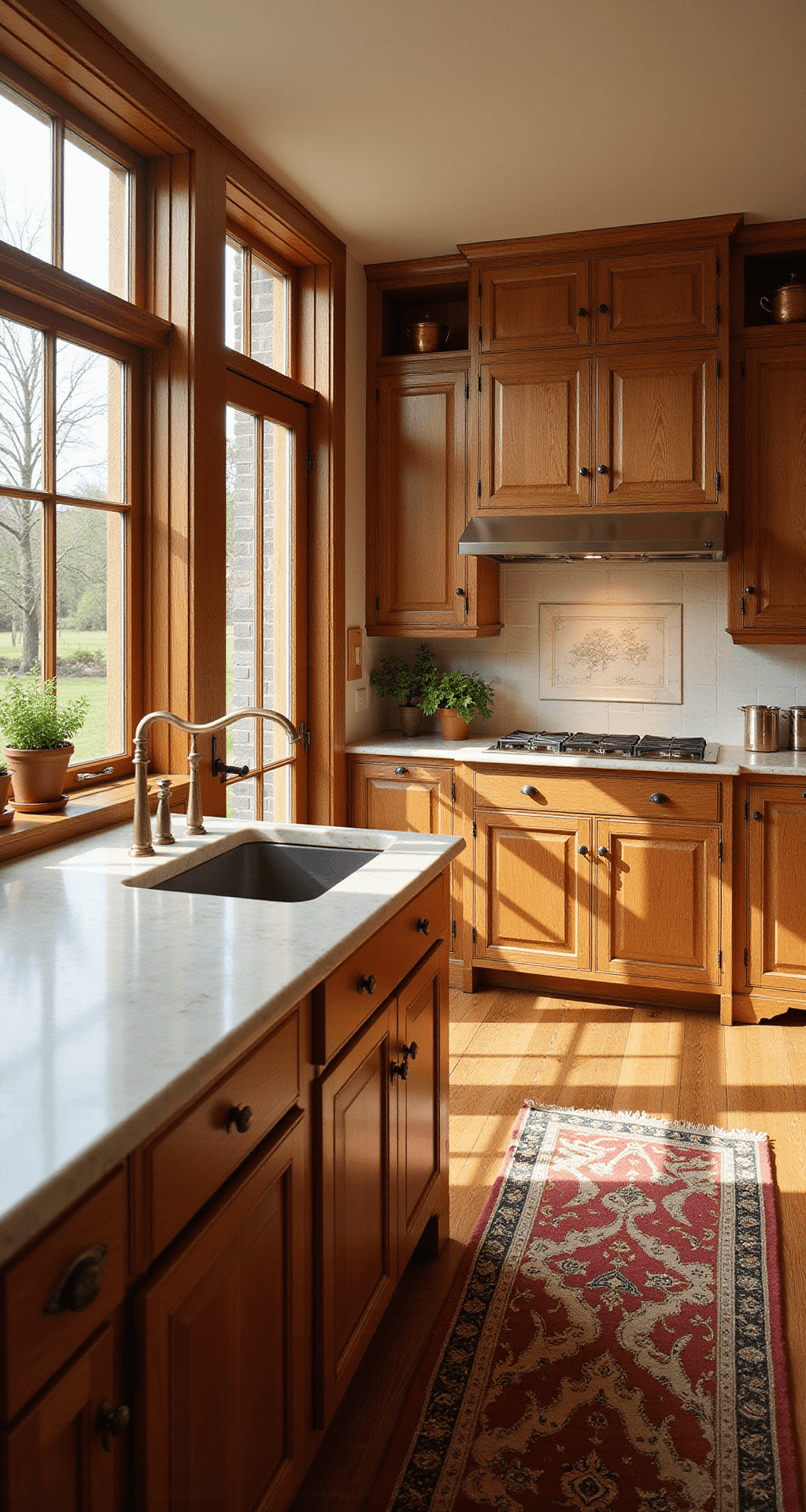
1. Oak: The Classic Workhorse
Red and white oak are the backbone of traditional kitchen design.
Red Oak Highlights:
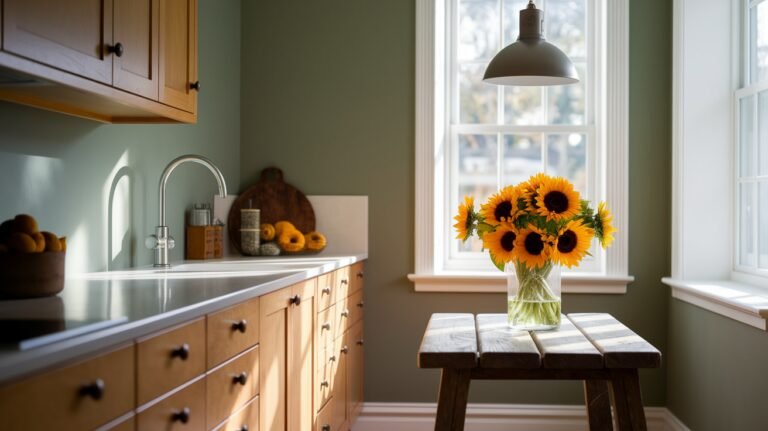
- Warm golden to reddish-brown tones
- Cost-effective option
- Prominent grain patterns
- Excellent for full kitchen cabinetry
White Oak Highlights:
- Paler color palette
- Slightly more expensive
- Equally durable
- Takes stain beautifully
2. Cherry: Sophistication Personified
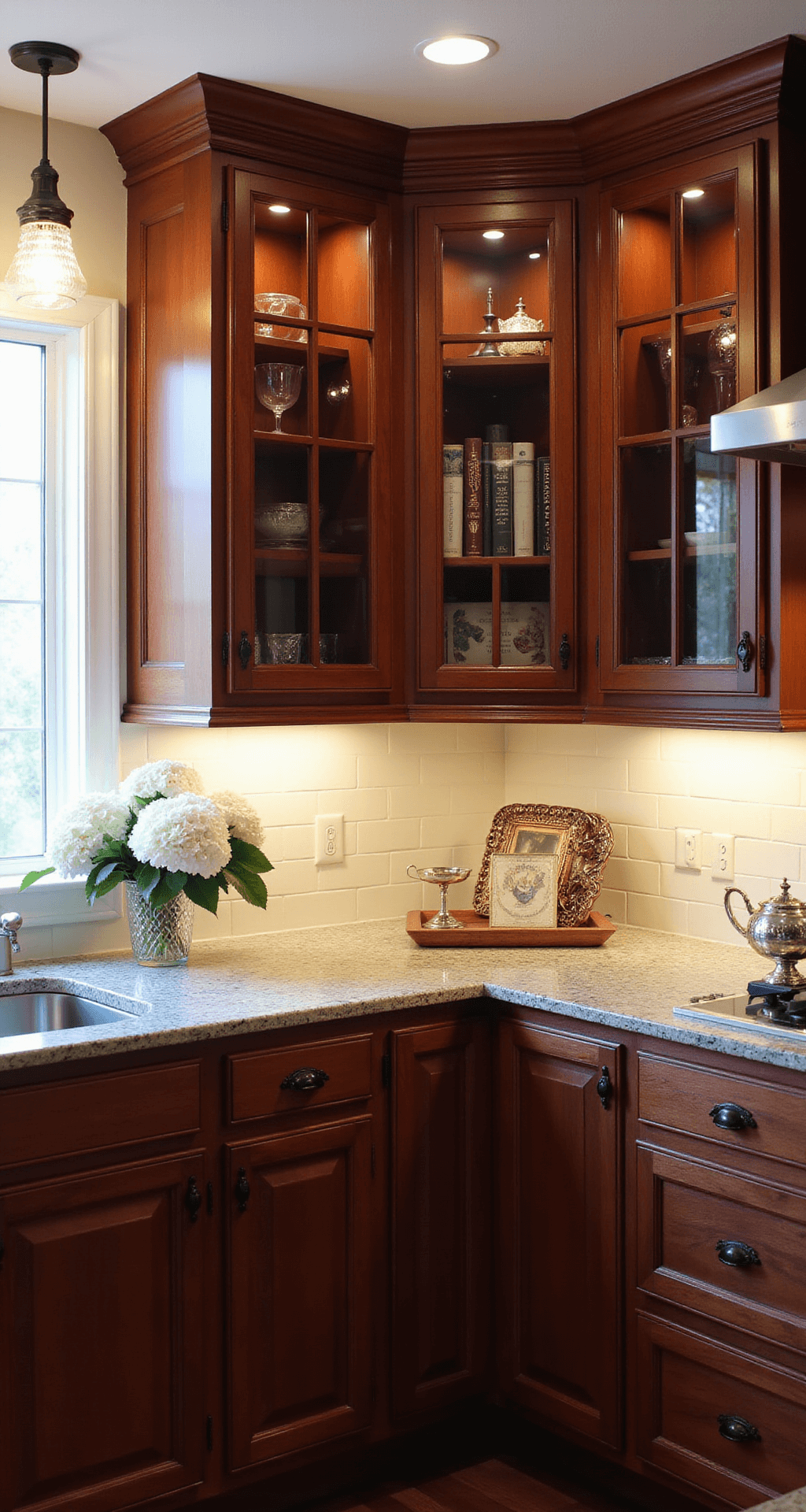
Cherry wood brings a luxurious touch to traditional kitchens:
- Rich reddish-brown color
- Deepens and becomes more beautiful with age
- Perfect for statement cabinets or kitchen islands
- Adds sophisticated warmth
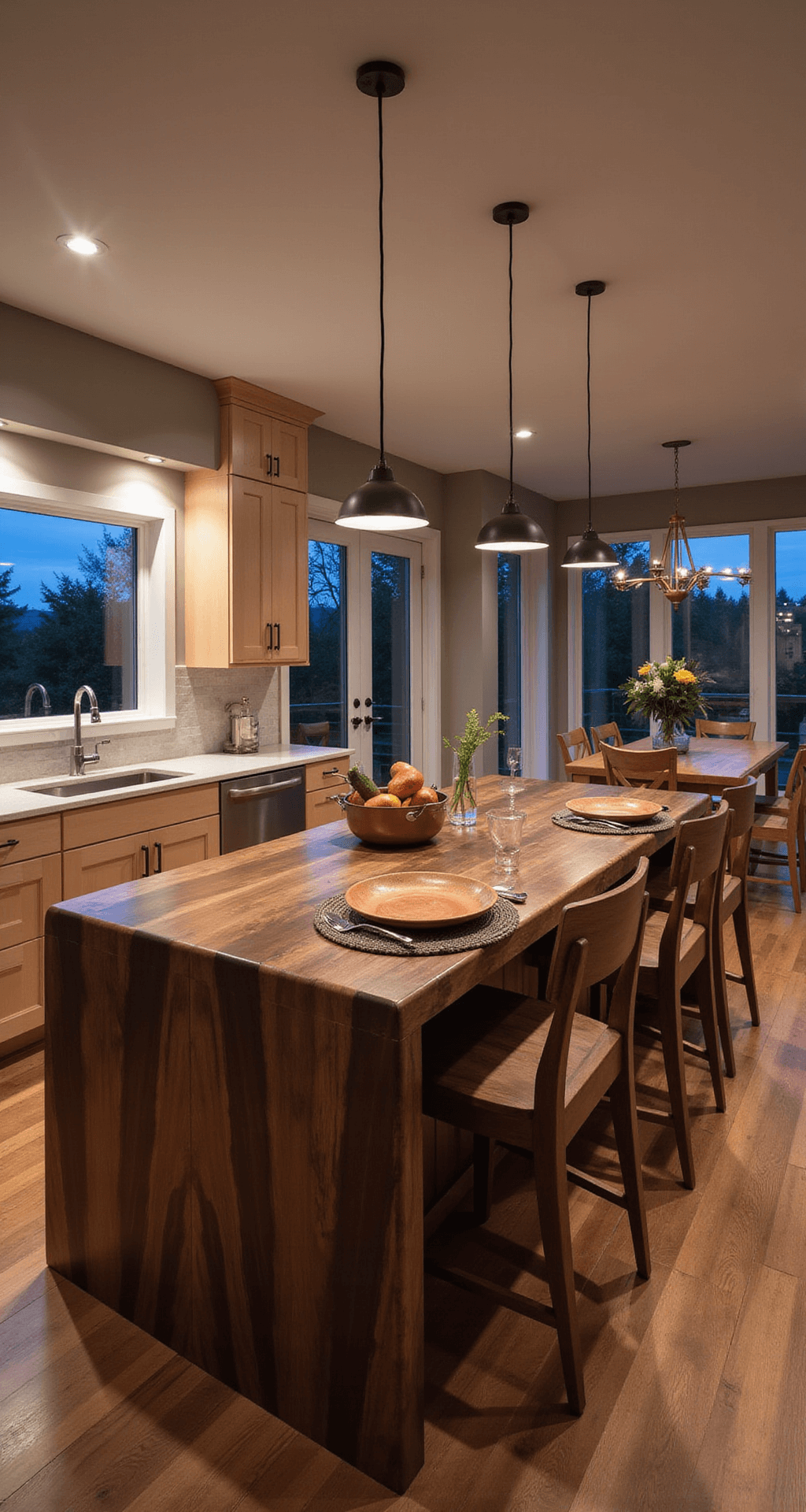
3. Walnut: Understated Luxury
Walnut is the epitome of elegant simplicity:
- Deep, luxurious brown tones
- Smooth, refined grain
- Ideal for accent pieces
- Creates an upscale feel
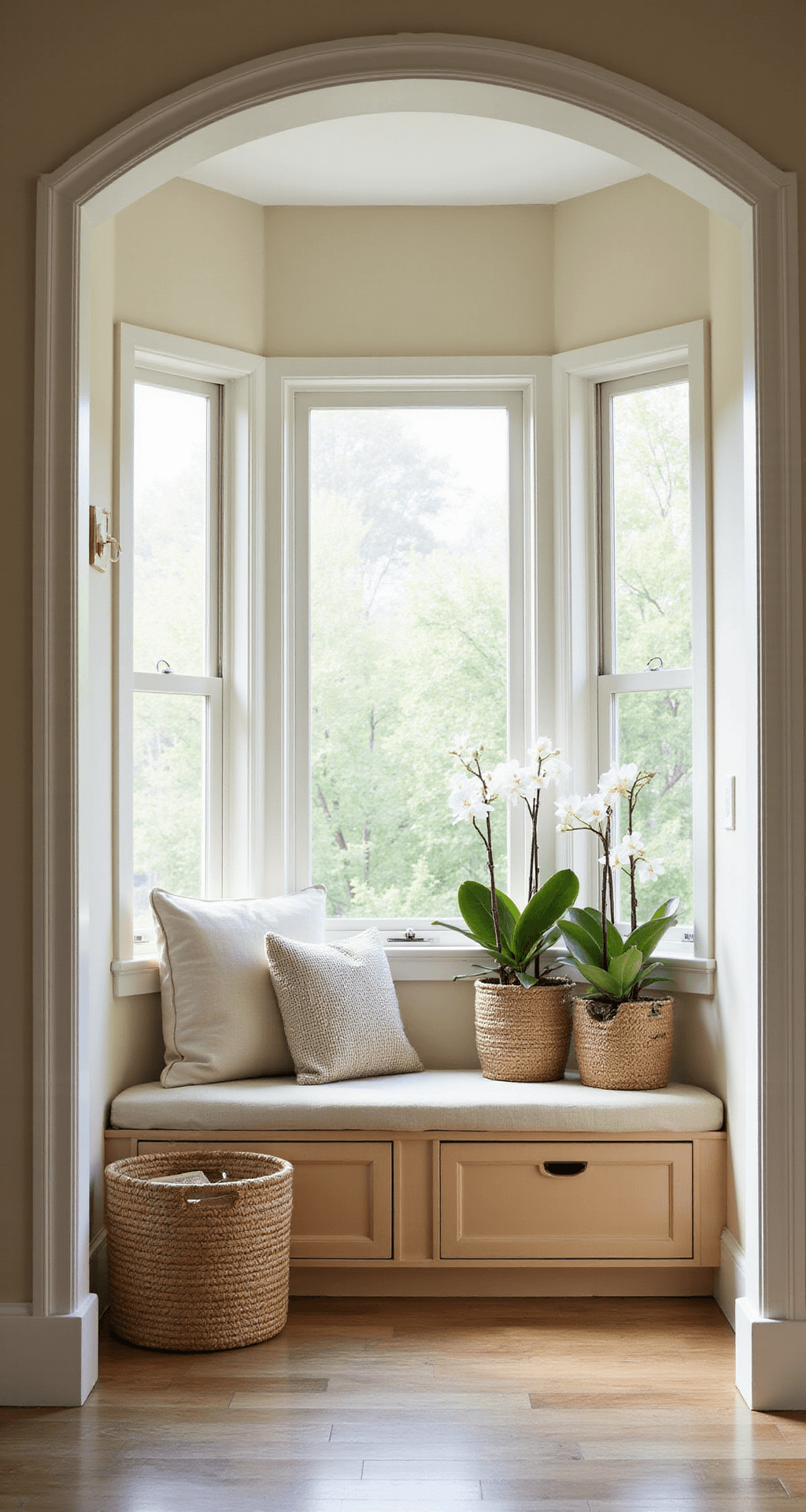
4. Maple: Bright and Versatile
Maple offers a lighter approach to traditional design:
- Creamy, light hue
- Smooth, fine grain
- Makes spaces feel open and airy
- Extremely versatile with staining
Pro Styling Tips for Traditional Wood Cabinets
Design Like a Pro:
- Opt for warmer wood tones for a cozy feel
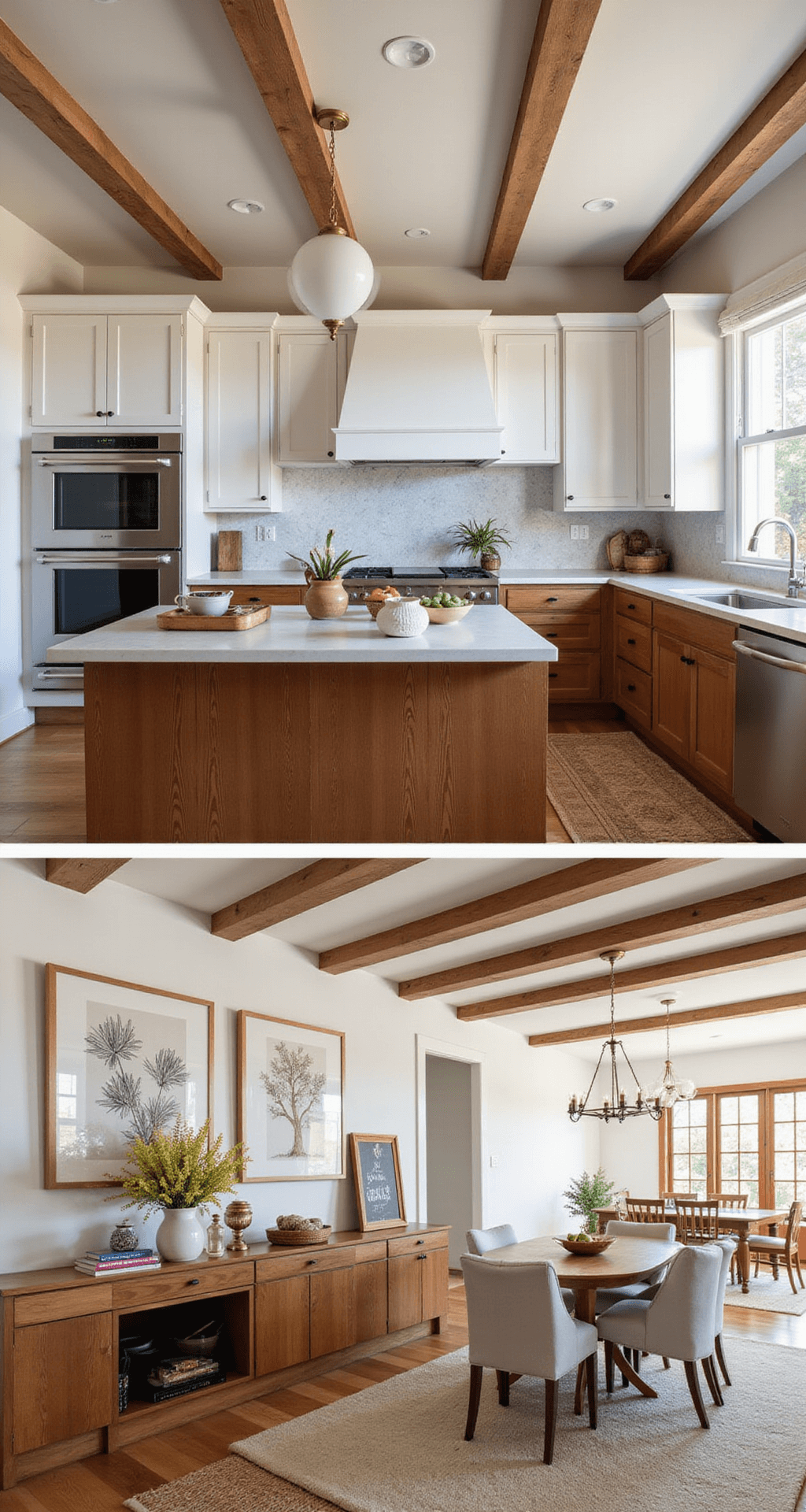
- Pair wood cabinets with light countertops
- Use classic features like crown molding
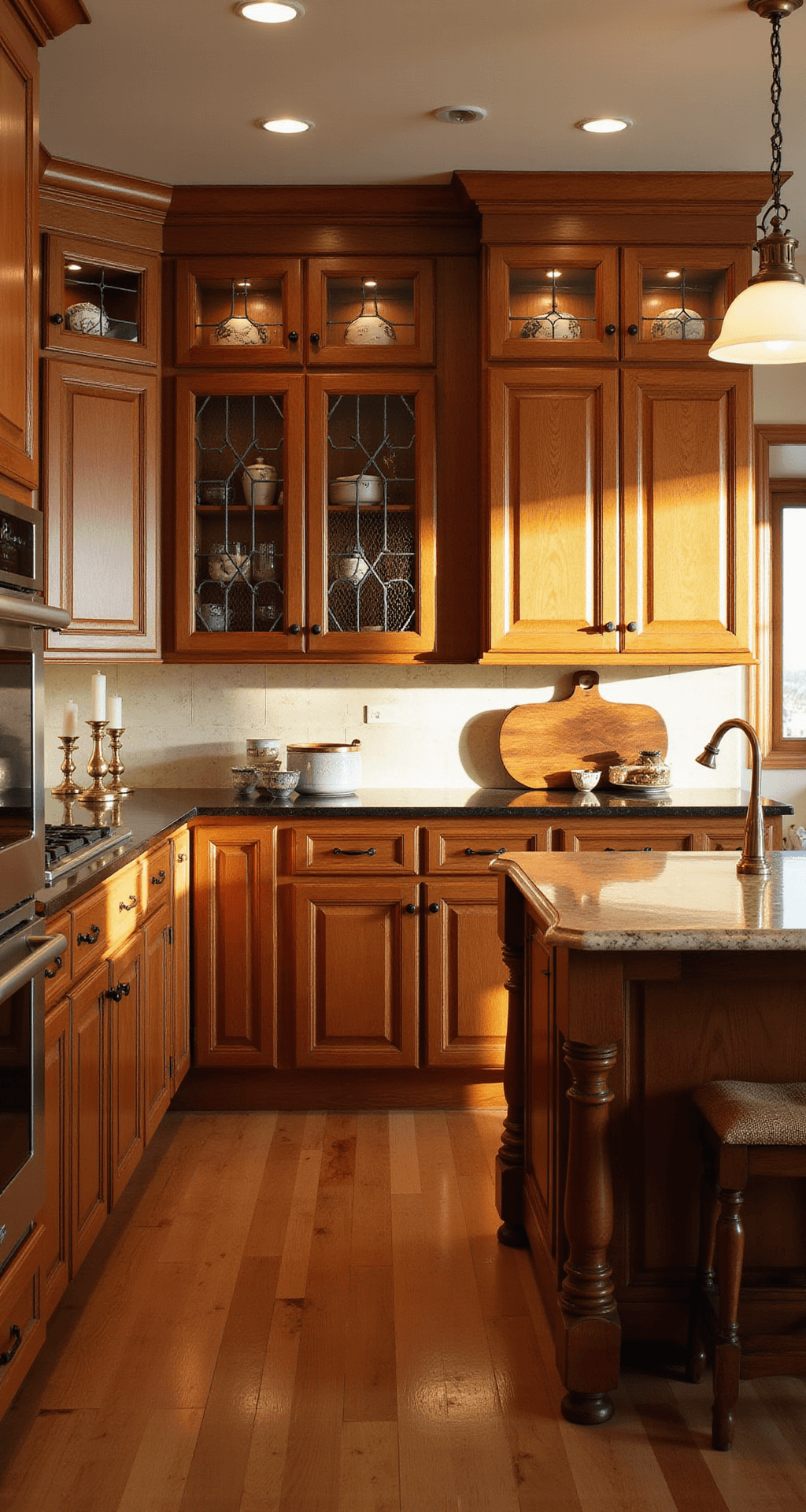
- Incorporate glass-front doors
- Select antique hardware
- Create depth with two-tone wood combinations
Mixing Wood Tones: A Designer’s Secret
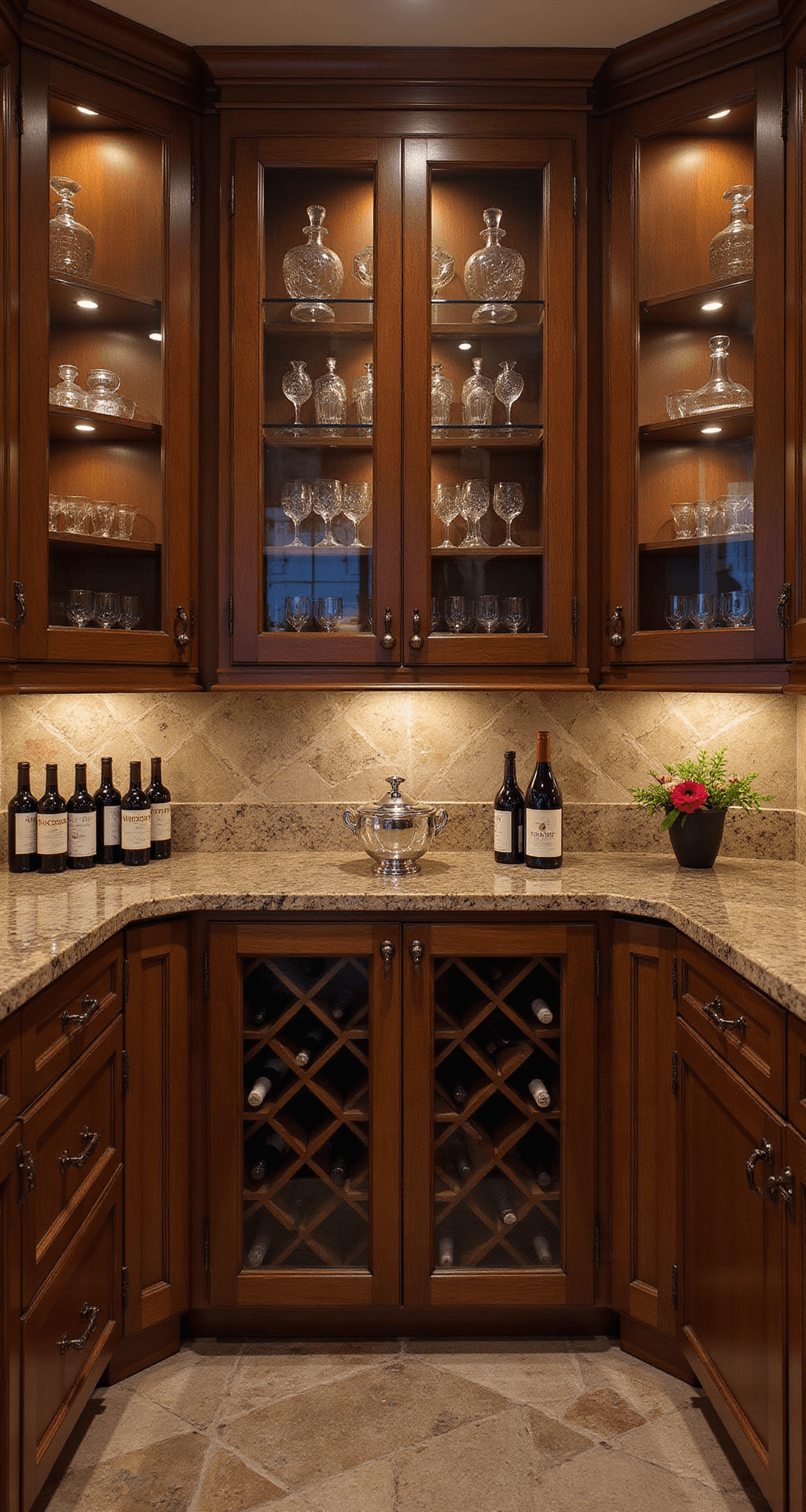
Insider Tip: Don’t be afraid to mix wood tones! Try:
- A dominant wood for main cabinetry
- Contrasting wood for islands or open shelving
- Blending different wood grains and colors
Choosing Your Perfect Wood Tone: Quick Reference
| Wood Type | Color Range | Best Used For | Character |
|---|---|---|---|
| Oak | Golden-red | Full Kitchen | Classic |
| Cherry | Rich Red | Statement Pieces | Elegant |
| Walnut | Deep Brown | Accents | Luxurious |
| Maple | Light Cream | Versatile | Bright |
Final Thoughts
Your traditional kitchen’s wood tone is more than just a visual choice—it’s about creating a space that feels like home. Take your time, explore your options, and choose a wood that speaks to your personal style.
Remember: The perfect traditional kitchen is a blend of timeless design, personal touch, and quality craftsmanship.