This post may contain affiliate links. Please see my disclosure policy for details.
Modern Front Porch Planters That’ll Make Your Neighbors Do a Double-Take
Contents
- Modern Front Porch Planters That’ll Make Your Neighbors Do a Double-Take
- Why Your Porch Planters Matter More Than You Think
- Materials That Actually Last Through Real Weather
- Shapes That Work (And the Ones That Don’t)
- Colors That Look Intentional, Not Random
- The Features That Separate Good Planters from Great Ones
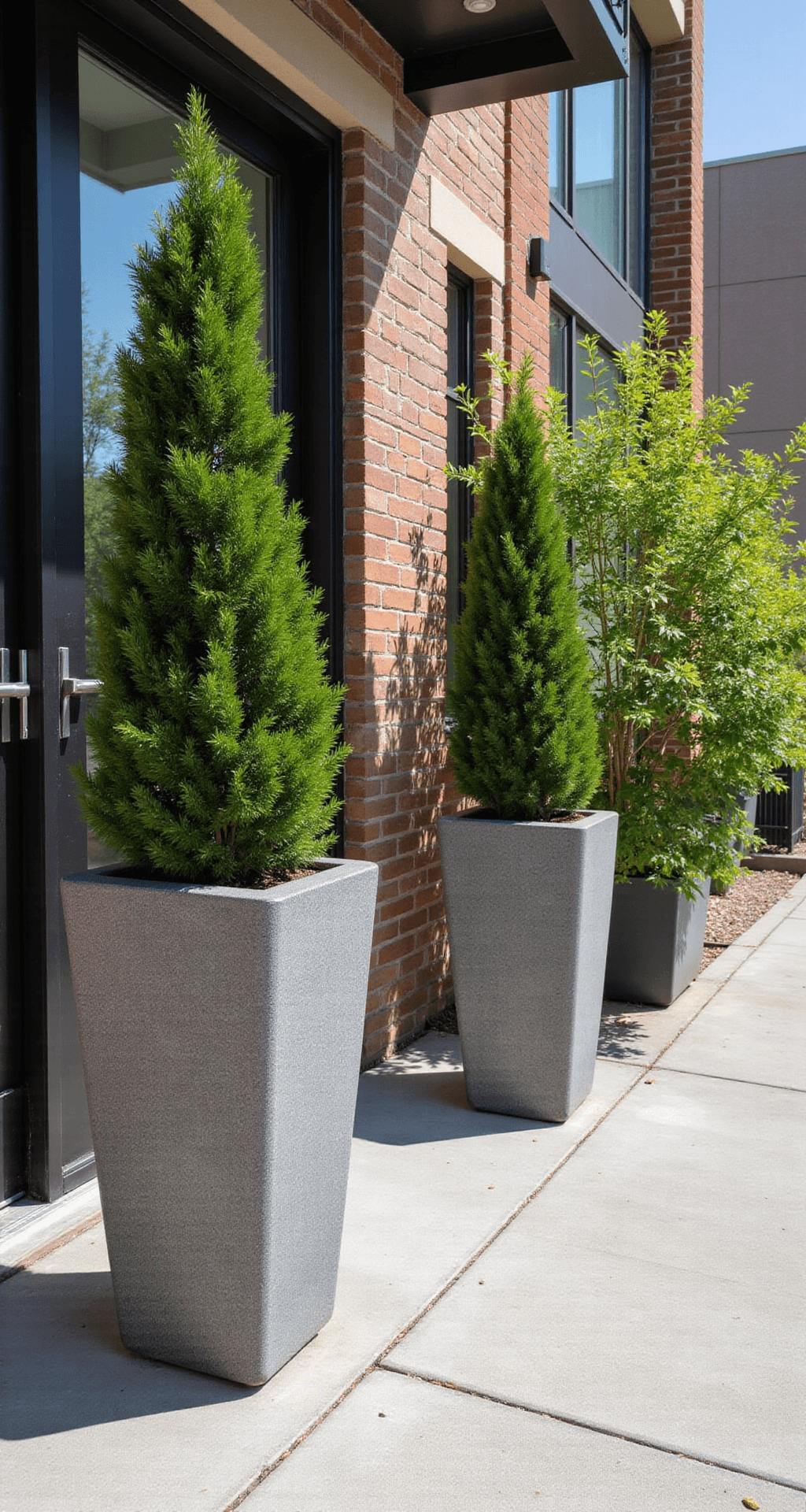
Modern front porch planters aren’t just containers for your petunias anymore. I’ve watched too many gorgeous homes lose their impact at the entrance because someone slapped a couple of terracotta pots on the steps and called it a day. Your front porch deserves better.
The planters flanking your door are the first impression, the handshake, the “hello, we live here and we’ve got style” moment.
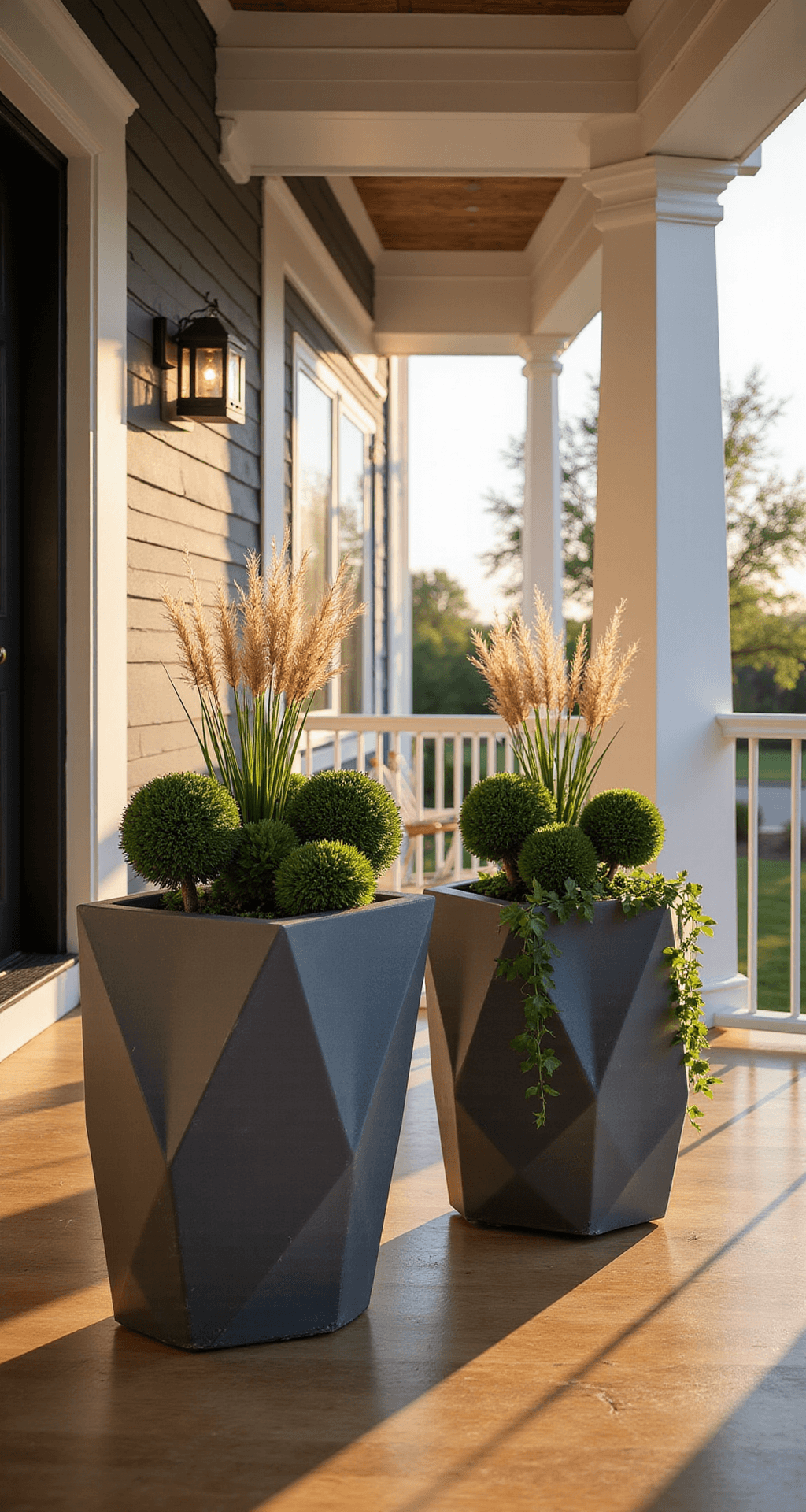
Why Your Porch Planters Matter More Than You Think
Here’s what I’ve learned after years of trying different planters on my own front porch: people notice. The UPS driver compliments them. Neighbors slow down when they walk past. That one friend who critiques everything? Silent.
Modern planters do something traditional ones can’t—they create architecture where there wasn’t any before. They’re sculptural, intentional, and they make your entrance look like you hired a designer (even if your budget says otherwise).
Materials That Actually Last Through Real Weather
I’ve killed more planters than I care to admit by choosing the wrong materials. That gorgeous ceramic number that cracked after one winter? Yeah, expensive mistake.
Here’s what actually holds up:
Fiberglass planters are my secret weapon. They’re lightweight enough that I can move them without throwing out my back, but they look high-end. The automotive-grade finishes mean they won’t fade when your porch bakes in afternoon sun. I’ve had fiberglass planters survive snowstorms that would’ve destroyed cheaper options.
Molded polyethylene sounds industrial, but bear with me. These are the workhorses of the planter world. They come in every color you can imagine. Zero maintenance. Zero drama.
Recycled plastic planters ease my eco-guilt. Some are literally made from milk jugs. They’re UV-resistant, which means they won’t fade to that sad, sun-bleached color. Bonus: they’re usually the most affordable option that still looks intentional.
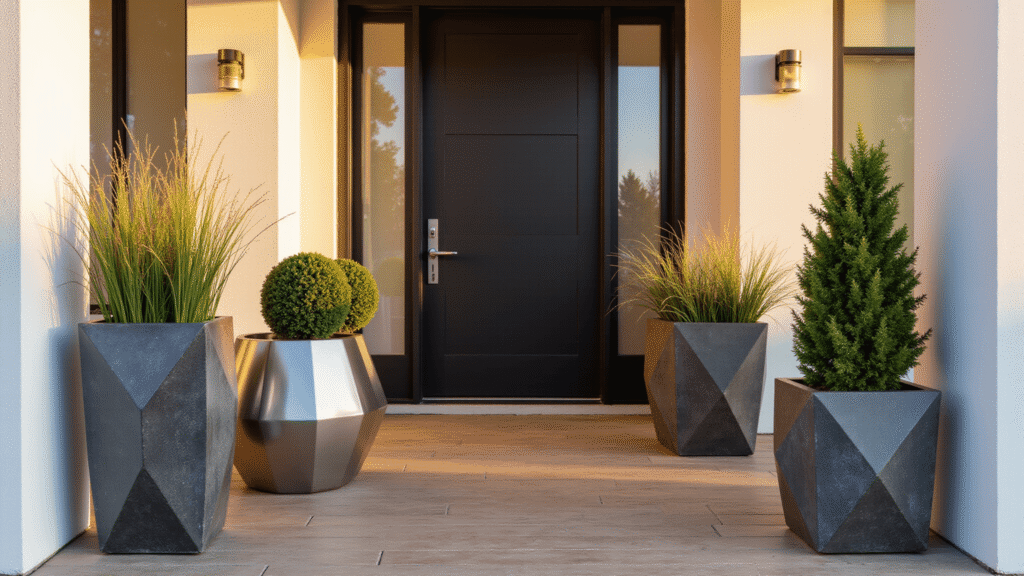
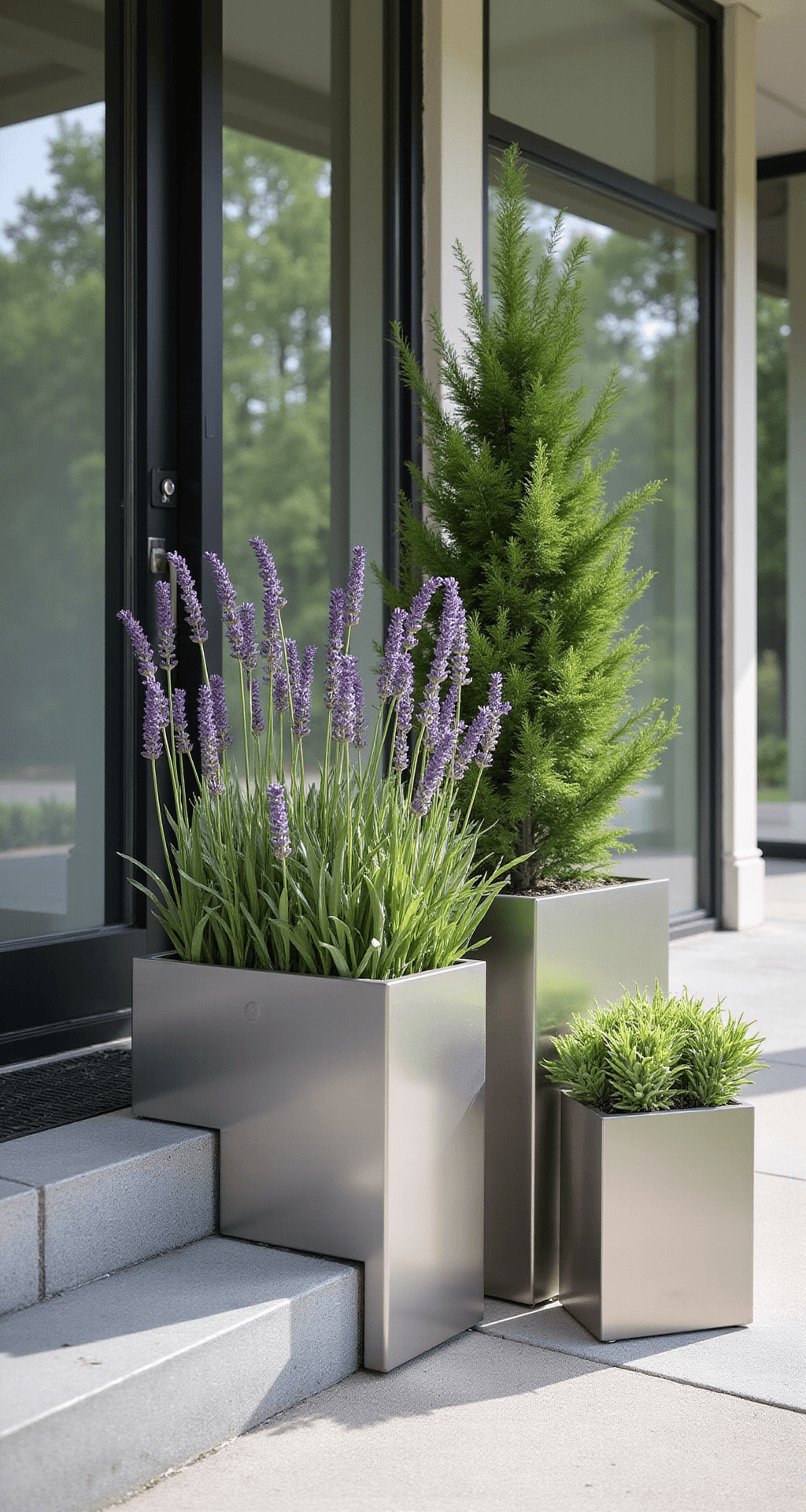
Metal finishes bring that upscale edge. I’m talking stainless steel planters and brushed aluminum that catch the light just right. Perfect if your home has modern or industrial vibes. Warning: they can get hot in direct sun, so choose your plants accordingly.
Fiber-reinforced concrete gives you that custom look. Each piece has natural variations, which means yours won’t look like everyone else’s. Heavy enough to stay put in windstorms. They develop a patina over time that actually looks better, not worse.
Teak and aluminum combinations are for the commitment-phobes. Naturally resistant to rot and moisture. The wood ages beautifully while the aluminum keeps its shape. Higher price point, but they’ll outlive cheaper alternatives by years.
Shapes That Work (And the Ones That Don’t)
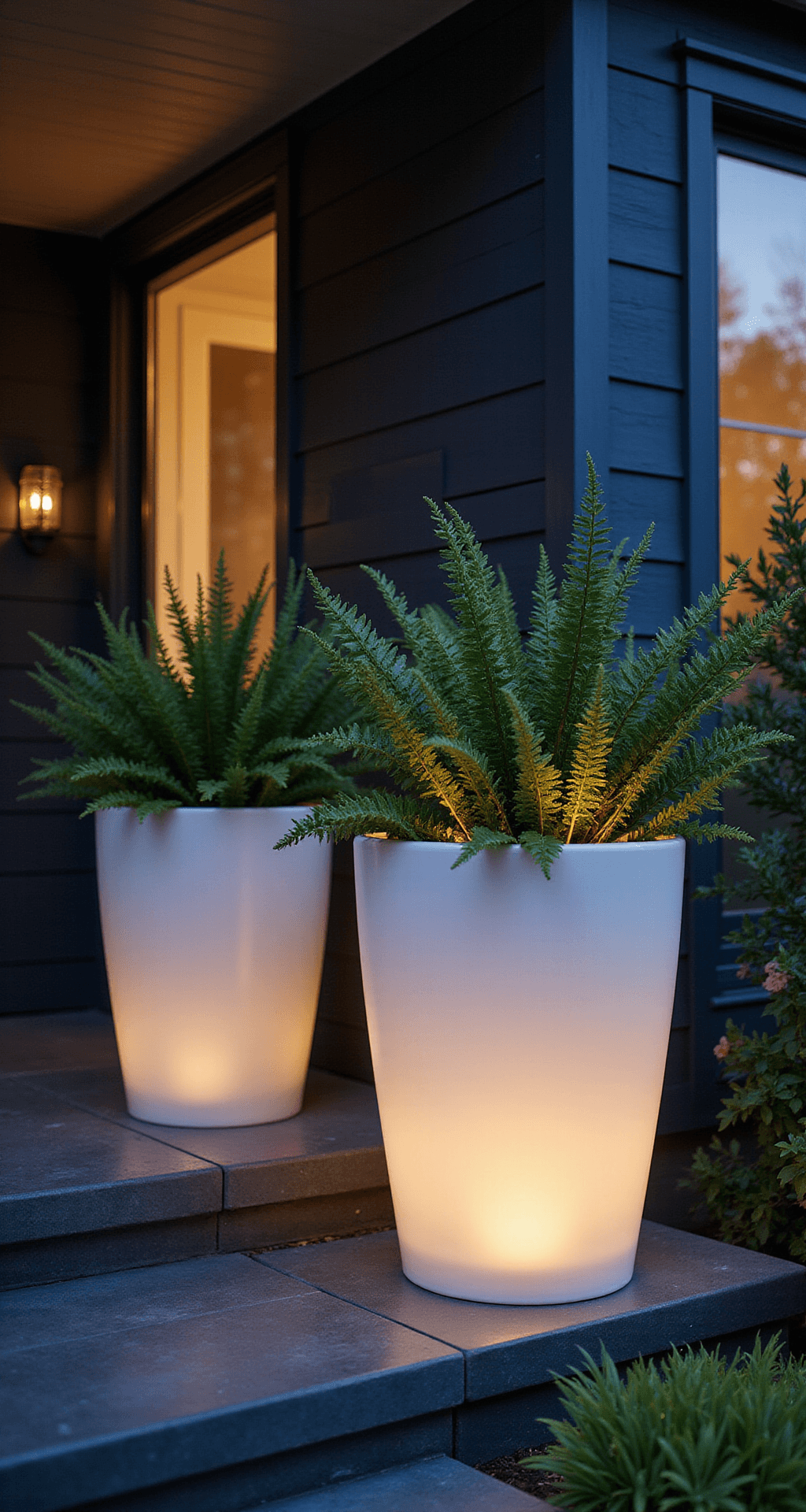
I used to think all planters were basically the same shape. Wrong.
Geometric and faceted designs are my current obsession. Diamond-inspired angles catch shadows throughout the day. They create visual interest even when your plants are having an off season. These are conversation starters before anyone even notices what you’ve planted inside them.
Square cubes and rectangular boxes are the reliable friends of the planter world. They fit neatly into corners and along railings. Large rectangular planters can frame a doorway like nothing else. Easy to arrange in symmetrical or asymmetrical groupings, depending on your mood.
Tall, narrow planters solve the small-space problem. My friend’s narrow porch looked cramped until she switched to vertical planters. They draw the eye upward, making your entrance feel grander. Perfect for grasses, single topiaries, or trailing plants.
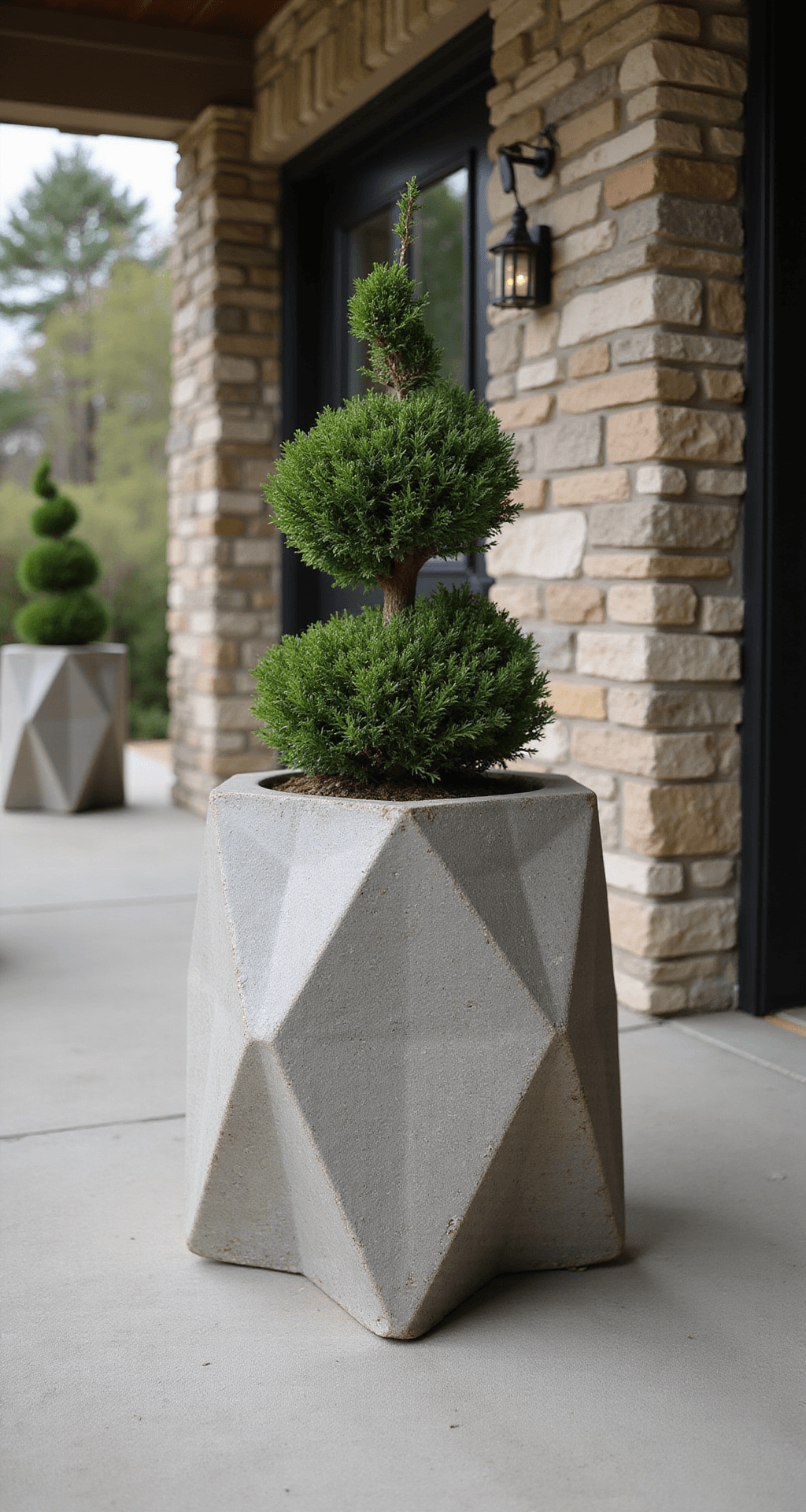
Rounded silhouettes keep things soft. Modern doesn’t have to mean harsh angles. Layer different sizes for depth—I use three heights on my porch. They balance out the straight lines of doorframes and windows.
Origami-inspired forms are for the bold. These make a statement whether you plant them or leave them empty. The angular folds create their own shadows and dimension. Not for everyone, but if you want your porch to look like an art installation, these are your move.
Colors That Look Intentional, Not Random
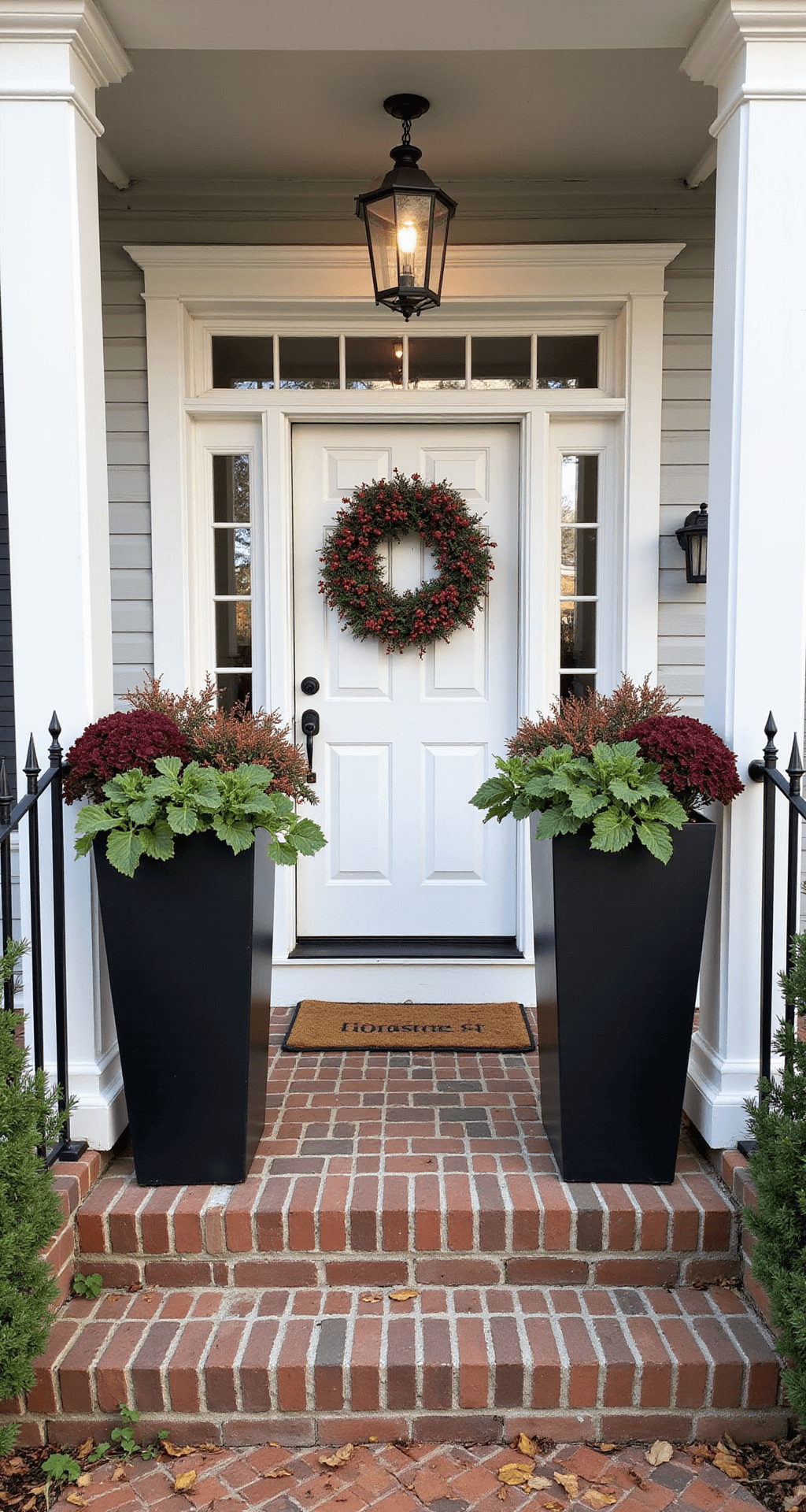
I used to grab whatever color caught my eye at the garden center. My porch looked like a crayon box exploded. Now I stick to a plan:
Neutrals are your foundation. White planters against dark siding? Classic. Black modern black planters on a light porch? Sophisticated. Gray works with literally everything, which is why half my planters are charcoal gray.
Metallics add punch without committing to color. I rotate metallic finishes by season—gold in fall, silver in winter, rose gold in spring. They catch light in ways that solid colors can’t. A metallic planter with green foliage basically styles itself.
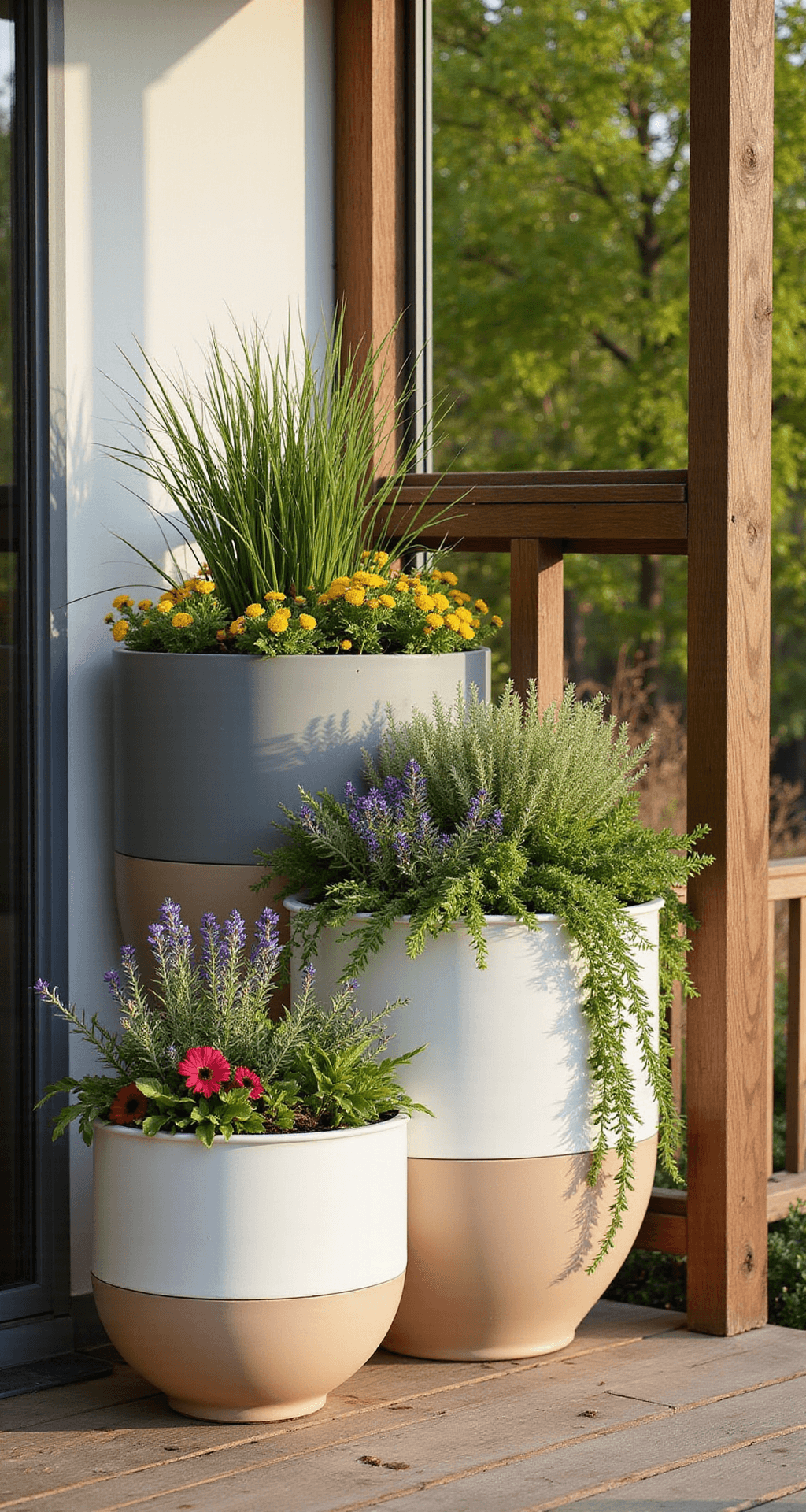
Powder-coated finishes protect your investment. This isn’t about color as much as longevity. The coating prevents rust, fading, and weather damage. Worth paying extra for if you live somewhere with dramatic seasons.
The Features That Separate Good Planters from Great Ones