This post may contain affiliate links. Please see my disclosure policy for details.
Outdoor Pavilions: The Complete Guide to Choosing the Perfect Backyard Retreat
Contents
Outdoor pavilions transform ordinary backyards into extraordinary living spaces where memories happen.
I’ve spent countless weekends helping friends pick the right pavilion for their yards, and I’ve learned that getting it wrong means wasted money and years of regret.
The good news?
Once you understand the basics, choosing becomes surprisingly straightforward.
Why Your Roof Style Makes or Breaks Everything
Your pavilion’s roof isn’t just about looks—it determines how well your investment holds up against Mother Nature’s worst moods.
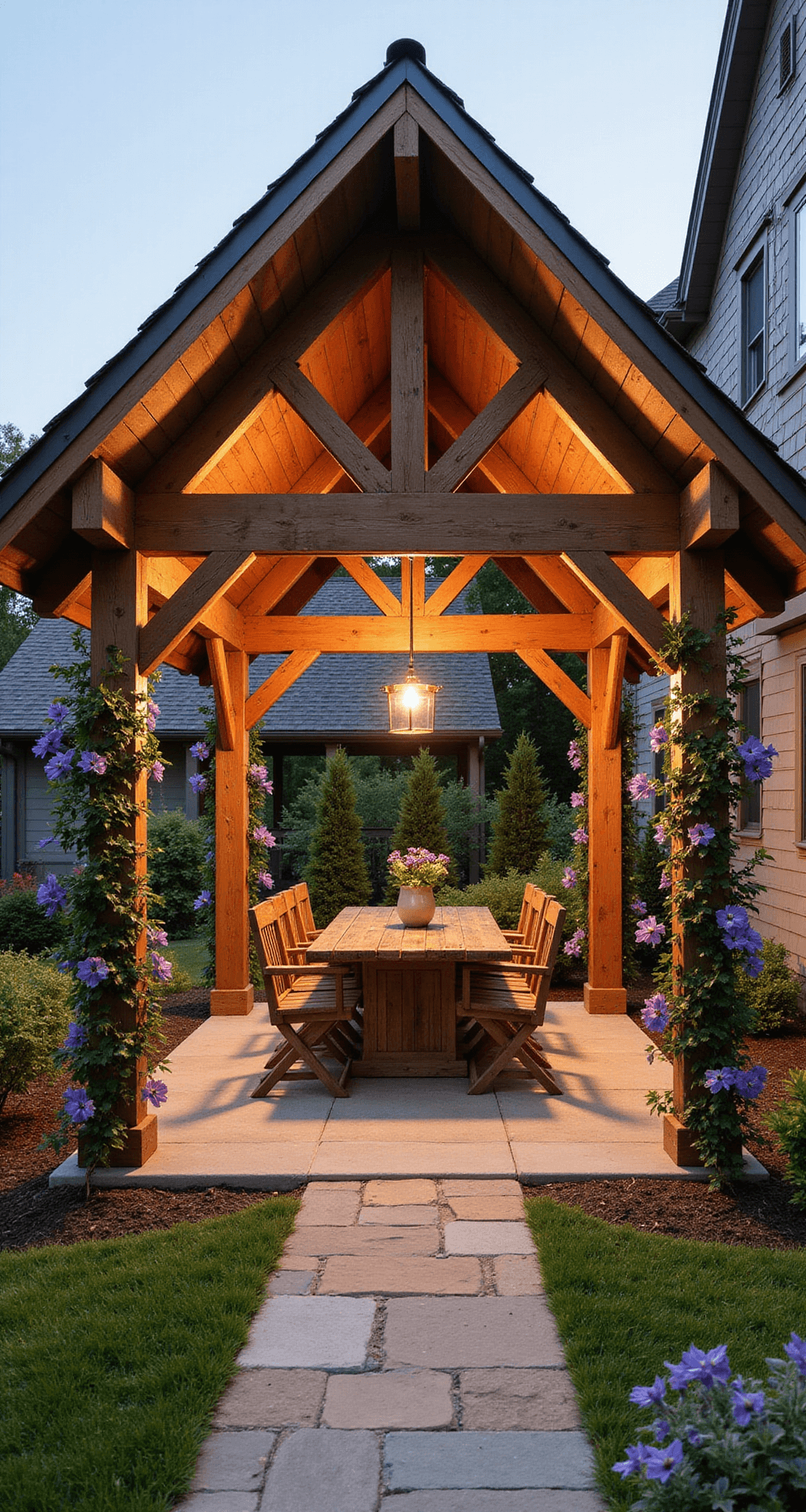
Gable Roofs: The Crowd Pleaser
Two sloping sides meeting at a ridge create those triangular openings you’ve seen in classic American backyards.
Rain slides off without pooling.
Snow doesn’t pile up and crack your beams.
The symmetrical design works with almost any home style, from farmhouse to contemporary.
I watched my neighbor install a gable roof pavilion last spring, and the water runoff during storms is honestly impressive—nothing collects, nothing drips where you’re sitting.
Hip Roofs: Built for Battle
Four sides sloping to a central point means wind hits the structure and disperses evenly.
Weight distributes across all four sides instead of just two.
This design survives hurricanes and heavy snow loads better than any other style.
If you live where weather gets serious, this is your answer.
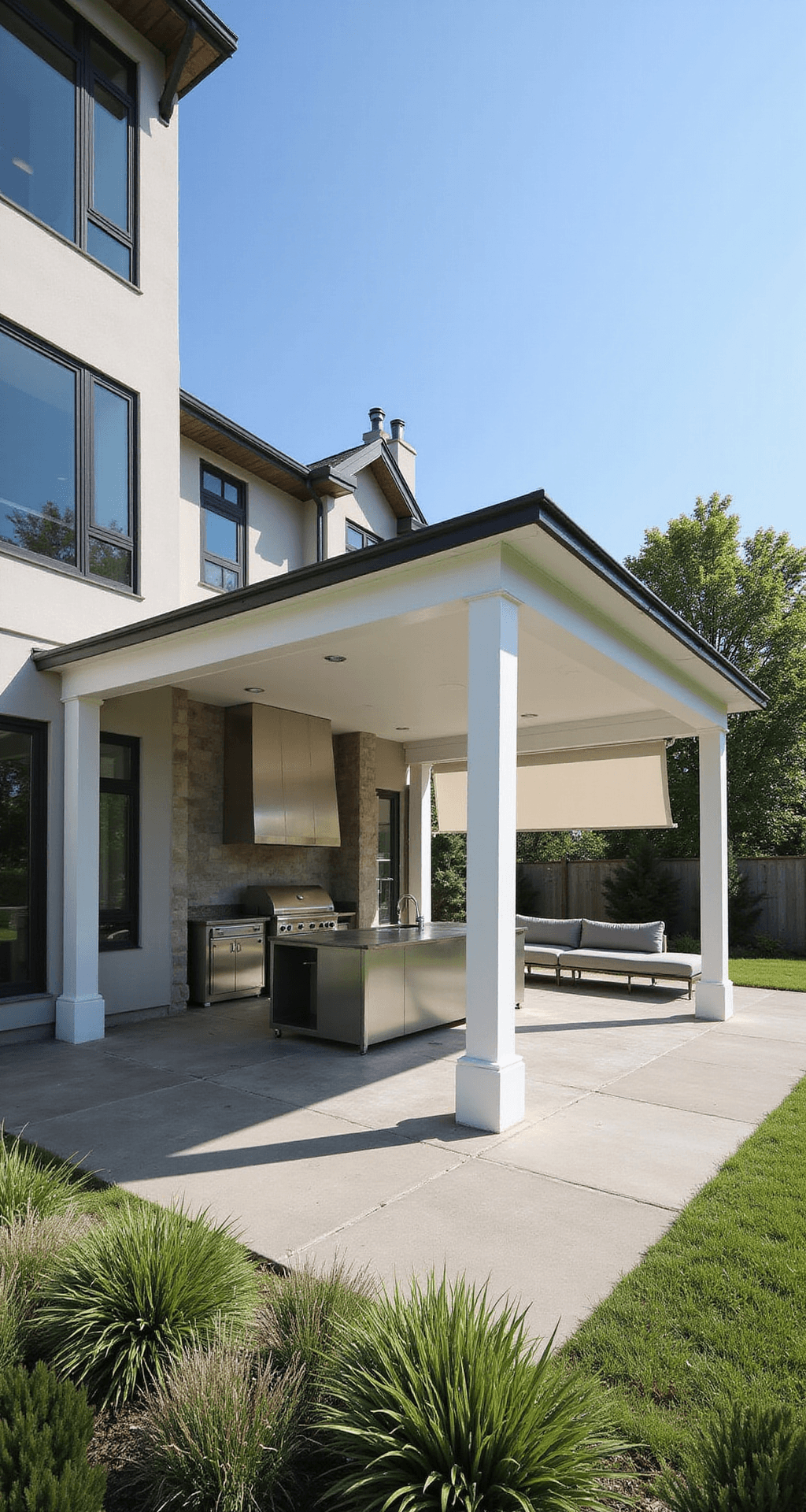
Flat Roofs: The Modern Minimalist
Despite the name, these roofs have a subtle pitch for drainage.
They create clean lines that contemporary homes demand.
Perfect for smaller yards where a dramatic roofline would overwhelm the space.
But here’s the catch—you’ll need to stay on top of debris removal or that subtle pitch won’t save you from water damage.
Pergola-Style: Half Shade, Full Charm
Horizontal beams arranged in parallel or grid patterns let dappled sunlight through.
Air flows freely, making these ideal for pool areas where you need shade without creating a wind tunnel.
The partial coverage works beautifully in gardens where you want to feel outdoors while having a defined gathering spot.
I installed pergola shade fabric over mine last summer, and being able to adjust the coverage changed everything about how we use the space.
Material Choices: Where Your Money Actually Goes
Wooden Pavilions: Classic Beauty, Real Maintenance
Pressure-treated yellow pine keeps costs down.
Western red cedar looks stunning and resists rot naturally.
Both need annual sealing or staining unless you’re okay with weathered gray wood.
Wood attracts termites in some regions—something nobody mentions until you’re dealing with damage.
The traditional look never goes out of style, and wood remains the most affordable entry point.
A pressure-treated lumber pavilion kit typically runs half the cost of vinyl or timber frame options.
Vinyl Pavilions: Set It and Forget It
Wooden posts wrapped in quality vinyl give you the structure without the upkeep.
No painting, no staining, no worrying about rot.
The modern aesthetic works brilliantly with newer construction homes.
Colors stay true for decades instead of fading like painted wood.
You’ll pay more upfront, but the maintenance savings add up fast—I calculated my friend saves about $400 yearly on staining and sealing alone.
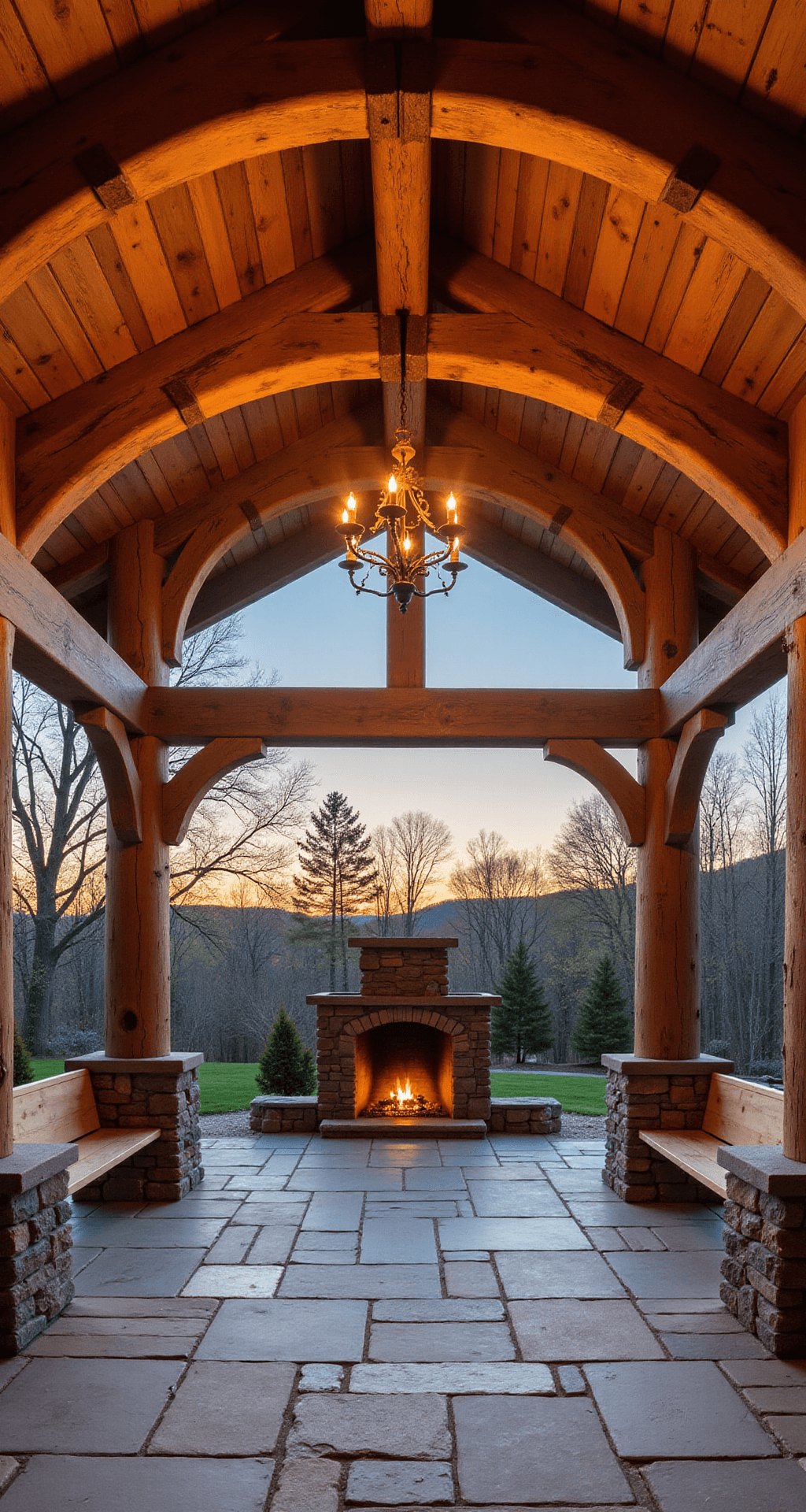
Timber Frame Pavilions: Go Big or Go Home
Massive Douglas-fir timbers create dramatic focal points.
The rustic, bold appearance suits large properties and event spaces.
Weight capacity handles serious additions like chandeliers, ceiling fans, and heavy outdoor furniture.
This option costs the most, but if you’re building your forever home’s outdoor centerpiece, the investment makes sense.
Design Styles That Actually Match How You Live
Contemporary: Clean and Effortless
Steel, glass, and weather-treated wood in neutral colors.
Minimal maintenance means more time enjoying, less time working.
Straight lines and geometric shapes complement modern architecture.
I’ve noticed these designs photograph beautifully, which matters if you ever plan to sell—outdoor spaces sell homes faster than almost any other feature.
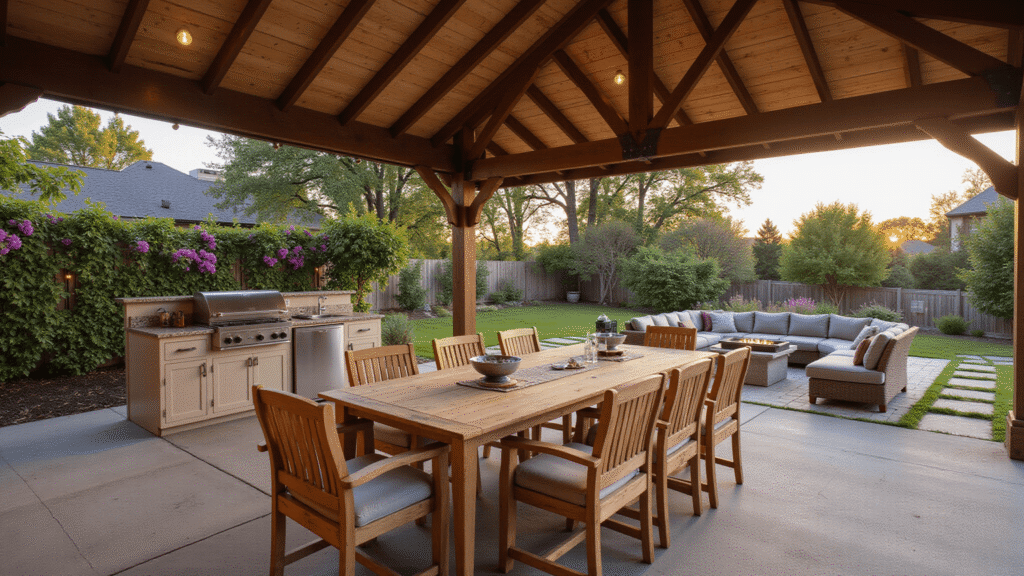
Multi-Purpose: The Entertainer’s Dream
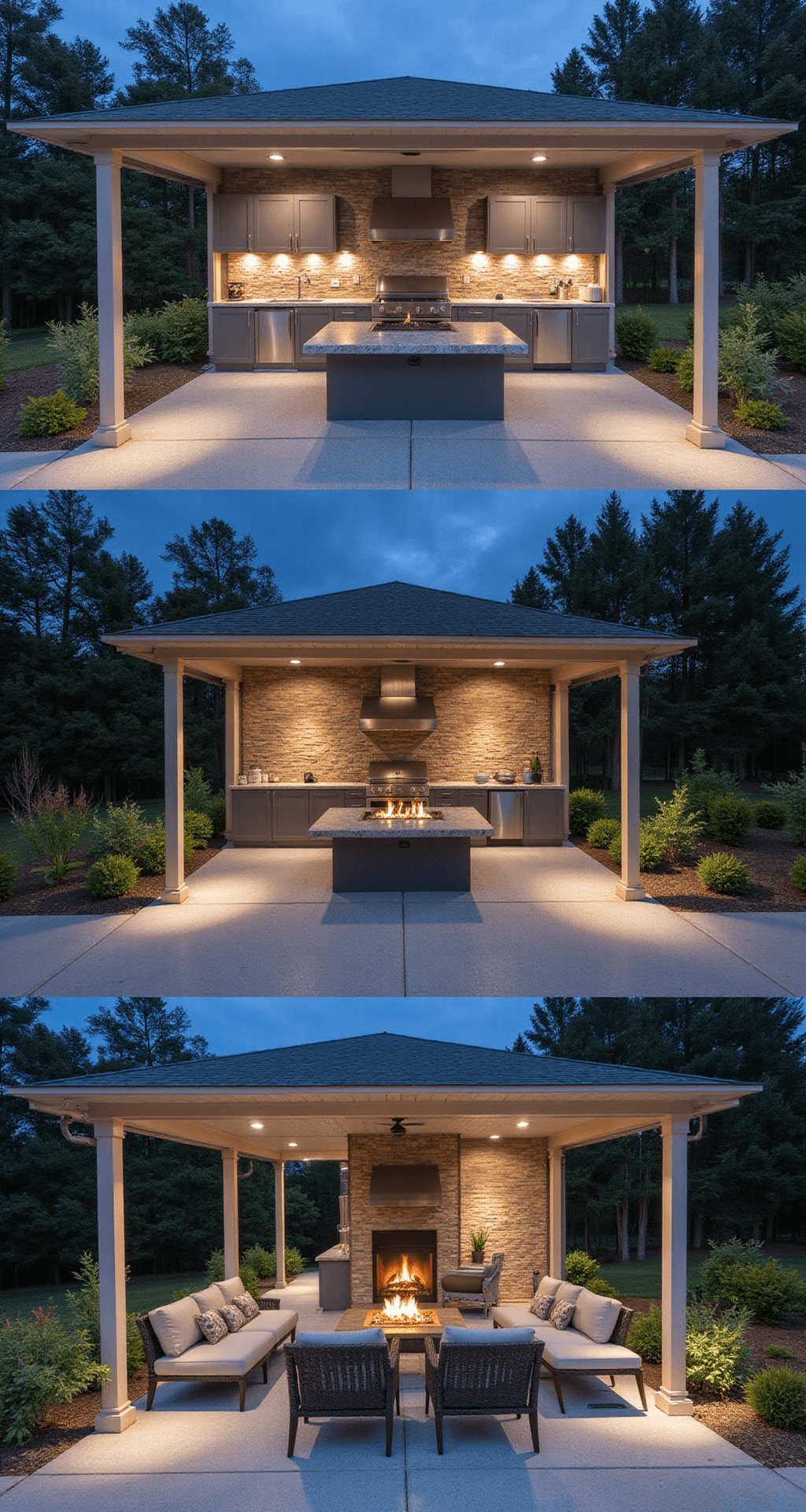
Two-zone layouts separate cooking from lounging.
One side holds your outdoor kitchen island, the other side features comfortable seating around a fire feature.
Built-in storage keeps cushions dry and grilling tools organized.
These work best on larger lots where you have room to spread out—trying to cram everything into a 10×10 space creates clutter, not flow.
Rustic Cabin: Weekend Retreat Vibes
Rough-hewn wood and stone create that national park lodge feeling.
Warm finishes and natural materials age beautifully instead of looking worn.
A fireplace or fire pit extends usability into cool evenings.
This style demands commitment—you can’t mix farmhouse chic with rustic cabin without creating visual confusion.
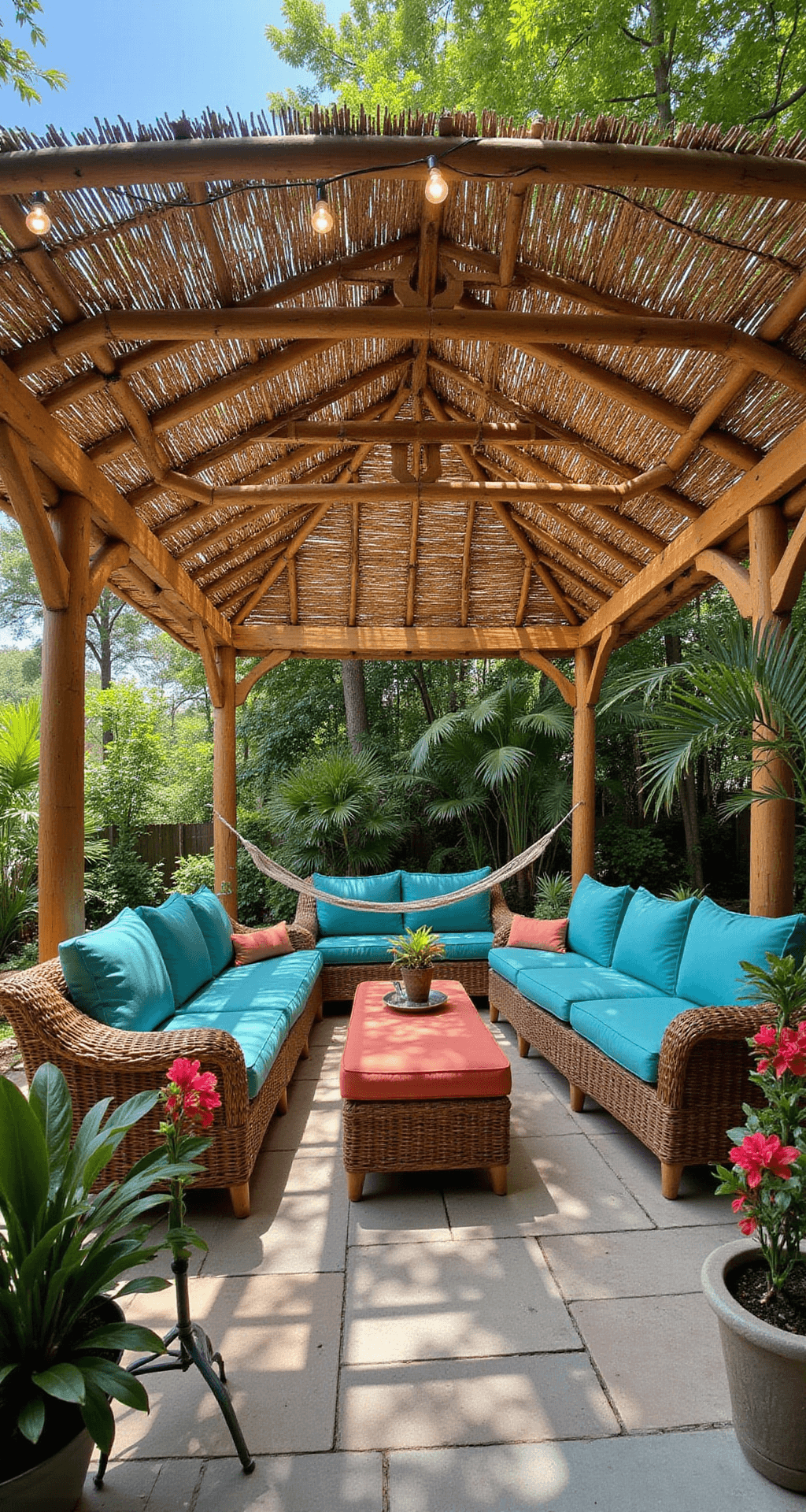
Tropical: Permanent Vacation Mode
Bamboo, thatch, and rattan scream relaxation.
Hammocks and lush plantings complete the resort atmosphere.
This works surprisingly well even in northern climates—the contrast between tropical design and snowy surroundings creates a unique escape.
Keep maintenance realistic though—tropical materials in harsh climates need regular replacement.
Features That Actually Get Used (And Those That Don’t)
Size Matters More Than You Think
10×10 feet works for intimate gatherings of 4-6 people.
12×12 to 14×14 accommodates dining tables comfortably.
16×24 feet creates true outdoor rooms with multiple activity zones.
Measure your existing patio furniture before deciding—I’ve seen too many people build 10×10 pavilions only to discover their dining table doesn’t fit.
Smart Additions
Cupolas with weather vanes add vertical interest and ventilation.
Privacy walls block neighbors’ views without closing off the entire structure.