This post may contain affiliate links. Please see my disclosure policy for details.
The Honest Truth About Outdoor Hanging Plants (And Which Ones Won’t Die on You)
Contents
Outdoor hanging plants transform boring porches into showstoppers, but let’s be real—half of them end up looking like crispy failures by mid-July.
I’ve killed my share of hanging baskets. Bought them bursting with blooms, watched them shrivel within weeks, then tossed them out feeling like a plant murderer.
Sound familiar?
Here’s what nobody tells you at the garden center: not all hanging plants are created equal, and picking the wrong one for your space is like wearing stilettos to a marathon.
Let me walk you through what actually works.
Why Your Hanging Baskets Keep Dying (Spoiler: It’s Probably Not You)
Most people grab whatever looks prettiest at the store without asking one crucial question: where exactly is this thing going to hang?
That southern-facing spot that bakes in afternoon sun? It’ll torch your shade-loving ferns faster than you can say “photosynthesis.”
That covered porch that barely gets light? Your sun-worshipping petunias will sulk and refuse to bloom.
The fix is stupidly simple. Match the plant to the actual conditions you’ve got.
Sun Worshippers: Plants That Thrive in the Hot Spots
Got a spot that gets blasted with direct sunlight for 6+ hours daily? These are your champions.
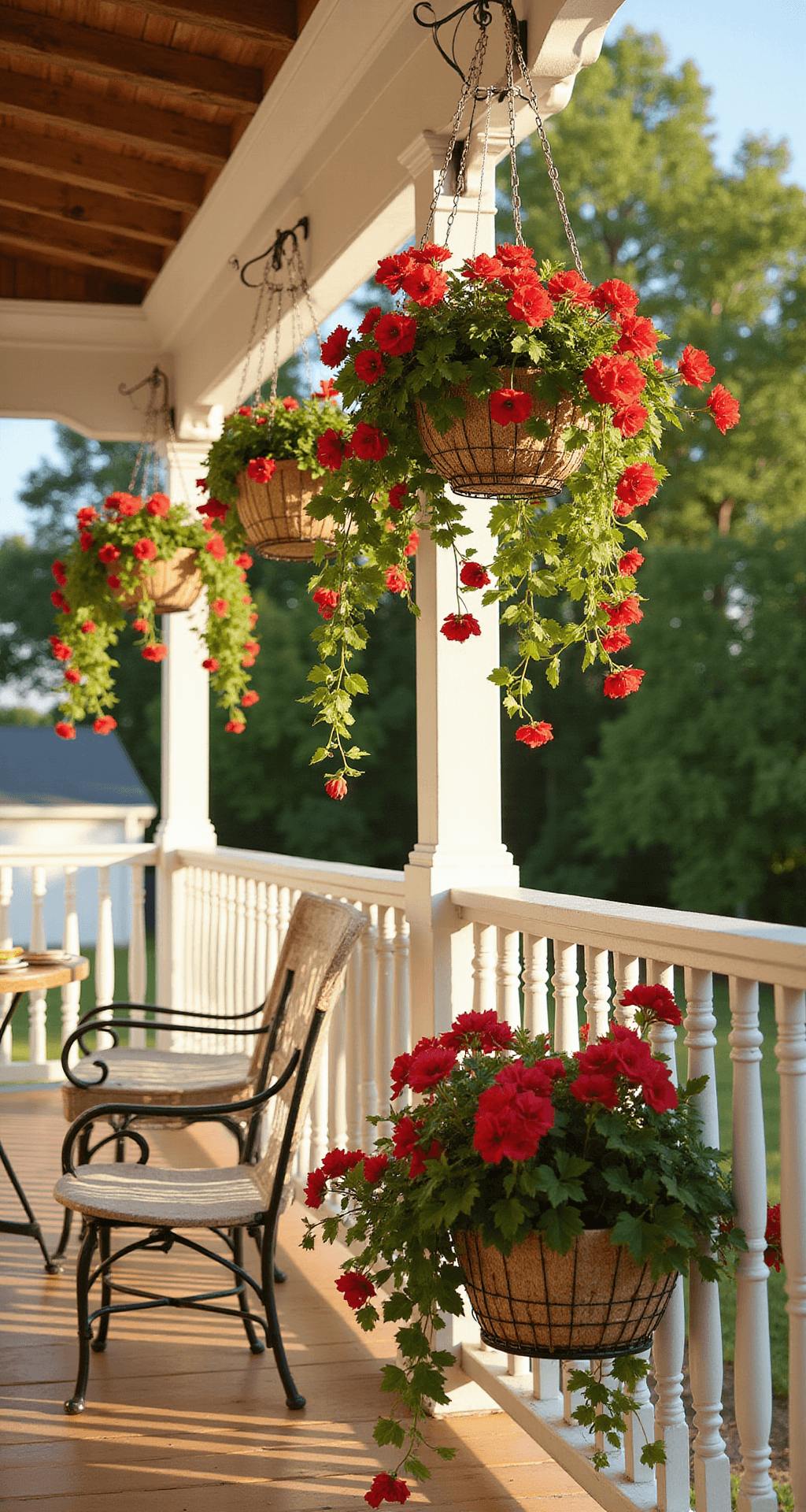
Ivy Geranium: The Summer Showstopper
Ivy geranium became my obsession after I saw them cascading down my neighbor’s balcony.
Scarlet petals that keep coming all summer long. No drama, no diva behavior.
They laugh at heat. They don’t need constant deadheading. Just regular water and they’ll perform like champions from June straight through September.
I hang ivy geranium planters on my west-facing deck where everything else would crisp up like bacon.
Black-Eyed Susan Vine: Gorgeous But Needs Boundaries
Those golden flowers with dark chocolate centers? Absolutely stunning.
But here’s the catch—this plant thinks it’s a jungle vine.
Give it warmth and sun, and it’ll take over like it owns the place. I learned this the hard way when mine started wrapping around my porch railing like some botanical octopus.
Regular pruning is non-negotiable. Snip it back every couple of weeks or prepare for a takeover.
Works brilliantly in warm climates. Dies instantly if you live somewhere that gets actual winter.
Petunias and Violets: The Reliable Classics
There’s a reason petunias show up in every garden center. They work.
Full sun? Perfect. Hot weather? Bring it on. Available in every color imaginable? You bet.
I’m not saying they’re exciting, but they’re the reliable friend who actually shows up when they say they will.
Violets are similar—unfussy, sun-loving, and they won’t ghost you mid-season.
Pair them with a good hanging planter with drainage and you’re golden.
Burro’s Tail: For the Succulent Obsessed
If you want something completely different, try Burro’s Tail.
Those distinctive trailing “tails” of plump leaves look like something from another planet.
Here’s why I love it:
- Thrives in blazing sun
- Needs sandy, well-draining soil
- Water it sparingly (seriously, ignore it)
- Zero flowers, all about those sculptural leaves
Perfect for minimalists who want architectural interest without the fuss.
Shade Dwellers: Plants for Spots That Don’t Get Fried
Not everyone has sun-drenched spaces. Some of us have covered porches, north-facing walls, or spots under trees.
These plants actually prefer not being roasted alive.
Impatiens: Cheap, Cheerful, and Basically Foolproof
Impatiens are the budget-friendly MVPs of shade hanging baskets.
Bright blooms in pink, red, orange, white—you name it. They ask for two things: partial shade and consistent moisture.
That’s it.
I bought six-packs for under $3 each and filled wire hanging baskets with them. They looked like I’d spent serious money.
Keep the soil moist (not drowning, just consistently damp) and they’ll bloom their hearts out until frost.
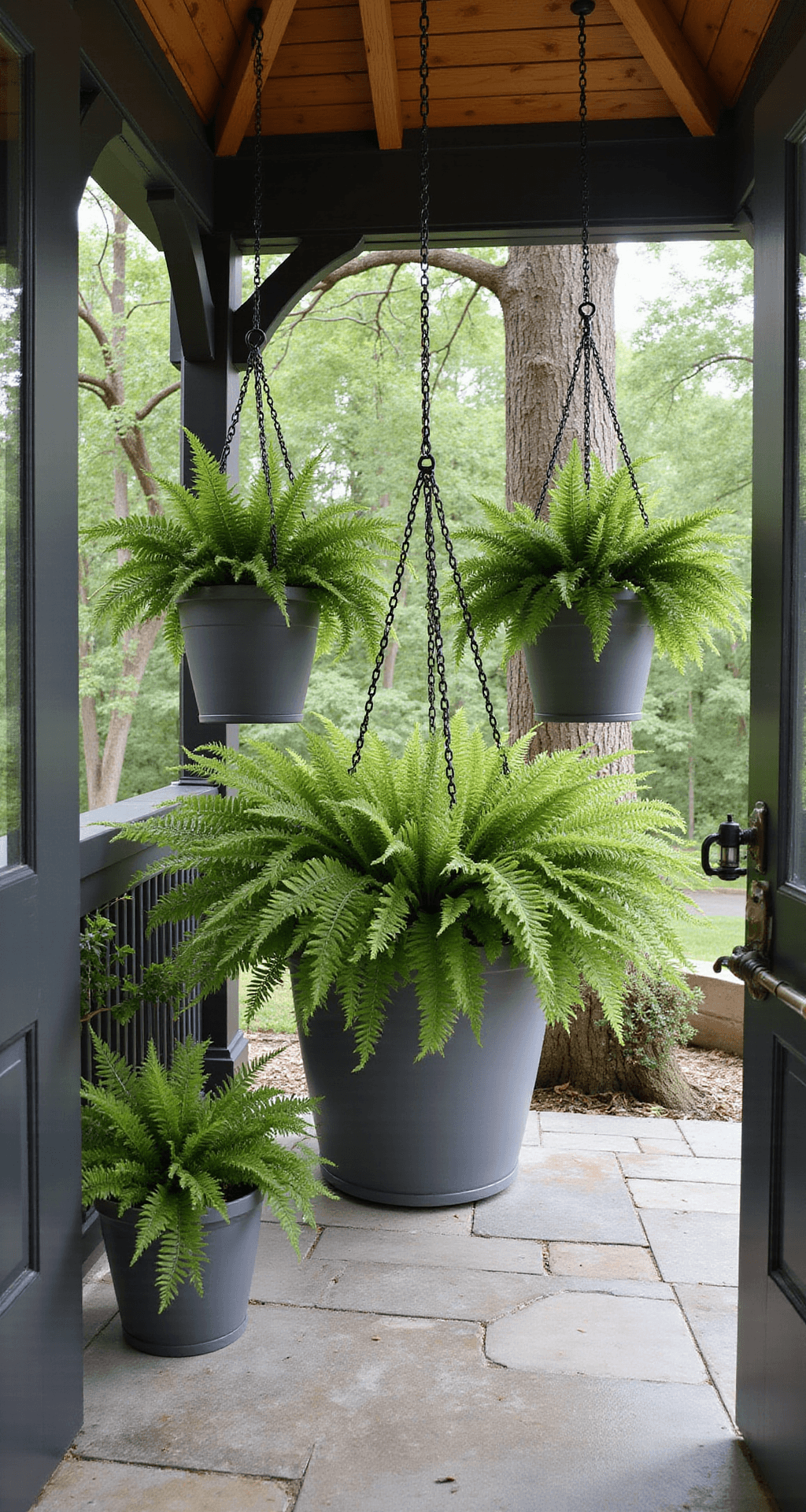
Boston Ferns: The Classic That Actually Makes Sense
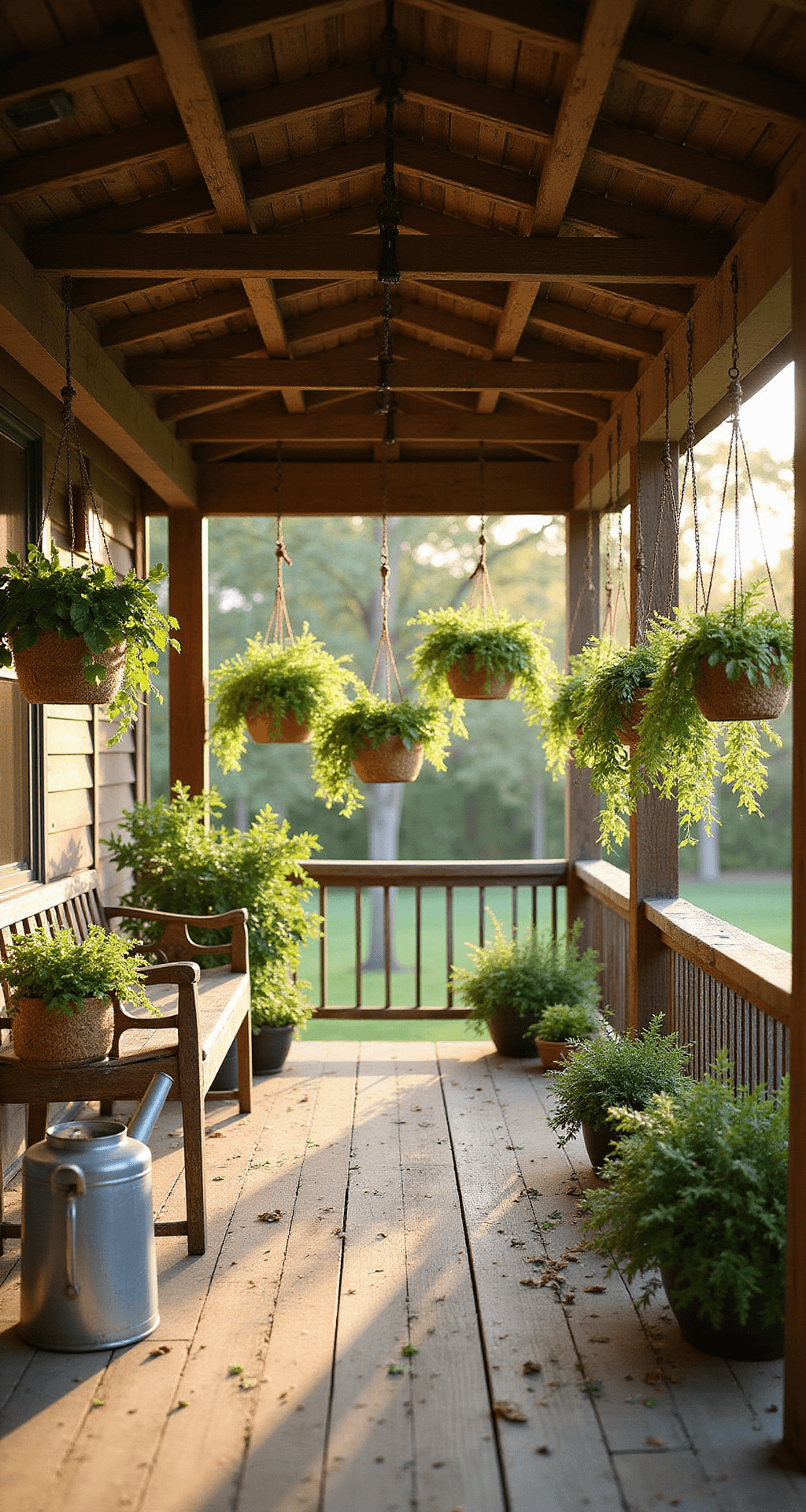
Boston ferns get a bad rap because people try growing them in regular pots indoors where the air is desert-dry.
But in hanging baskets outdoors? Game changer.
Here’s why it works better:
- Drainage is faster, so roots don’t sit in water
- Outdoor humidity keeps them from turning crispy
- Indirect light on a covered porch is their sweet spot
They need frequent watering—I’m talking daily in hot weather.
But that cascading, lush, Victorian-porch vibe? Worth every bit of effort.
Invest in self-watering hanging planters if you travel or forget to water regularly.
Pothos: The Trailing Beauty With One Weakness
Pothos (Devil’s Ivy) is nearly indestructible indoors.
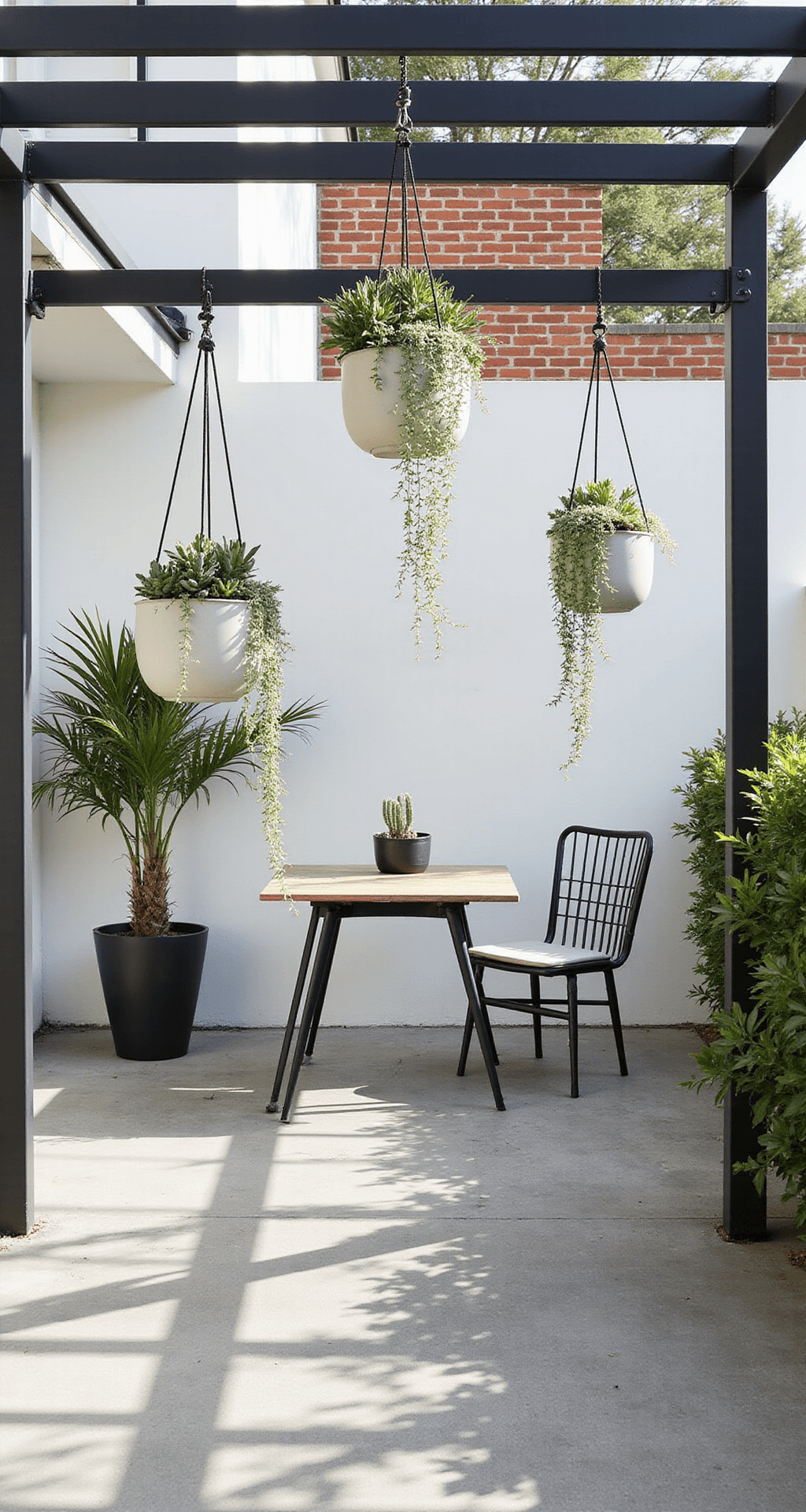
Outside, it’s still pretty tough—cascading vines, glossy leaves, adapts to different light levels.
The one thing that’ll take it down? Intense summer heat.